Inquiry
Form loading...
0%

So, you’re looking to buy Tert-Butyl Peroxybenzoate in 2026? It’s honestly not just about comparing prices online. This stuff is an organic peroxide, so you can’t skip the homework: supplier screening, technical verification, documented safety controls — the whole nine yards. And before you even start reaching out to vendors, make sure you’ve nailed down the grade, concentration, packaging format, and exactly which industrial application you need it for. That’s where a reliable purchasing process really begins. Before you go ahead and use it, double-check the product's CAS number, spec sheet, Safety Data Sheet, and latest Certificate of Analysis. Honestly, don't just trust the marketplace description—those can be pretty unreliable. Even small differences in active content or stabilizer levels can affect how you handle it and how well it performs.

Honestly, when you're choosing suppliers, you really want to go with ones that can show you their manufacturing records and have actual experience dealing with regulated chemicals. Don't just take their word for it—ask for proof of their quality systems, batch consistency, how they store things, and how they handle transport. You should also double-check that they're up to speed on things like dangerous goods rules, labeling, emergency response, and import paperwork in your country. And keep in mind, those regional rules can shift in 2026, so it's smart to lean on official government sources and maybe a good compliance specialist rather than guessing. If you're making a big purchase, having an independent lab run some tests can be a real lifesaver. And honestly, safety should always come before convenience—no matter how tempting the shortcut might be.

Honestly, if you're the one doing the buying, you really want to check the packaging before you sign for anything. Like, are the labels clear? Seals intact? Is there temp guidance on there, and does the batch info match? All that stuff matters. Also—ask how the material was stored while it was in transit, especially if there were delays or it might have gotten hot. A super low quote can sometimes be a red flag, hiding sloppy paperwork or iffy logistics. People tend to brush that off, but it's a bigger deal than it looks. And personally, I wouldn't take one supplier's word as gospel, either. Look, comparing technical docs and double-checking references takes time, and honestly, you should write down every decision along the way. No checklist is ever perfect—but if you review things with some discipline, the whole purchase ends up way more transparent, defensible, and dependable.

How to Buy Tert-Butyl Peroxybenzoate in 2026?

What Is Tert-Butyl Peroxybenzoate and What Is It Used For?

How to Buy Tert-Butyl Peroxybenzoate in 2026?

Tert Butyl Peroxybenzoate is an organic peroxide used mainly as a free-radical initiator. It helps start polymerization reactions when controlled heat is applied. Manufacturers use it in producing polystyrene, acrylic materials, and unsaturated polyester resins. It can also support selected crosslinking processes. The exact application depends on the resin system, formulation, and processing temperature. It is not a general-purpose additive.

Handle it as a temperature-sensitive industrial chemical. Tert-Butyl Peroxybenzoate may decompose if exposed to excessive heat, contamination, or unsuitable storage conditions. Before purchasing, request a current safety data sheet, certificate of analysis, recommended storage temperature, packaging details, and transport classification. Confirm the concentration and grade match your production process. Small differences can affect curing speed and product quality.

Supplier evaluation needs more than a low price. Check technical support, batch traceability, shelf-life information, and documented quality controls. Ask how temperature excursions are managed during delivery. A certificate alone is not enough. I would also compare the supplier’s stated specifications with an independent laboratory test when the application is critical. That step may seem slow, but it can prevent an expensive failed batch. Requirements may change in 2026, so verify current regional chemical, workplace, and transport rules before placing an order.

How to Define Your Tert-Butyl Peroxybenzoate Purchasing Requirements

Before requesting a quote, define the material precisely. State the active concentration, carrier solvent, purity range, inhibitor level, package size, monthly volume, and delivery temperature. Tert-butyl peroxybenzoate may decompose instead of showing a normal boiling point. Therefore, “Tert Butyl Peroxybenzoate Boiling Point” should not become your main specification. Review the supplier’s current SDS, CoA, thermal stability data, and decomposition temperature. PubChem lists a molecular weight of 194.23 g/mol, but purchasing decisions need more than identity data.

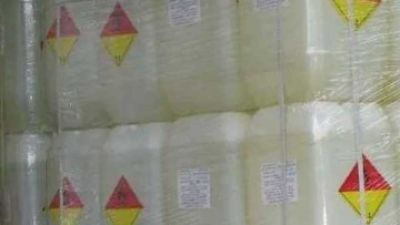
Transport and storage details deserve equal attention. The UN Recommendations on the Transport of Dangerous Goods, 23rd revised edition, classifies organic peroxides under Class 5.2. Ask for validated temperature limits, emergency instructions, UN-approved packaging, and remaining shelf life at shipment. ECHA guidance also supports checking hazard classification and exposure controls before use. My practical checklist includes a receiving temperature log, an unopened-container inspection, and a written rejection rule for damaged packaging.

Tips: Request three recent CoAs, not one. Compare active content, appearance, test methods, and dates. Confirm whether the quoted price includes temperature-controlled delivery. A small trial order can expose handling problems early. I would also challenge vague phrases such as “high purity”; they sound useful but define almost nothing. Keep the final purchasing specification on one page.

How to Verify Suppliers, Product Quality, and Available Grades

How to Buy Tert-Butyl Peroxybenzoate in 2026?

Buying tert-butyl peroxybenzoate requires more than comparing prices. Start by checking the supplier’s legal registration, production address, export experience, and technical contact. Request a current Safety Data Sheet, specification sheet, and representative Certificate of Analysis for each lot. The documents should show product identity, assay or purity, active oxygen, stabilizer content, water content, and test methods. Do not rely on a sales-page description alone.

Ask whether the available grade matches your process. Suppliers may offer technical, industrial, or higher-purity grades, but names can vary between markets. Confirm the concentration, stabilizer system, packaging size, shelf life, and recommended transport conditions in writing.

A retained sample can help compare appearance, odor, viscosity, and laboratory results before a larger purchase. Small details matter here.

Verify traceability. The lot number on the container should match the CoA and shipping documents. Check packaging integrity when goods arrive, including seals, labels, and temperature indicators where applicable. An independent laboratory can test a first shipment, especially when the supplier is unfamiliar.

I would not trust a polished PDF by itself. I once treated documentation as proof of quality; that was too optimistic. Supplier audits, clear communication, and repeatable test data provide stronger evidence. Keep purchase records and safety reviews current, because specifications and transport requirements may change.

Which Safety, Storage, and Transport Rules Apply in 2026?

How to Buy Tert-Butyl Peroxybenzoate in 2026

Buying tert-butyl peroxybenzoate requires more than comparing prices. Confirm the exact formulation, concentration, stabilizer, shelf life, and intended application. Ask for a current safety data sheet and certificate of analysis. Check Sections 2, 7, 8, and 14 carefully. The transport classification can change with formulation. Do not rely on an old product listing.

Store the material in its original, approved container. Follow the supplier’s temperature range exactly. Keep containers away from heat, sunlight, sparks, acids, bases, reducing agents, and incompatible metals. A cool, ventilated area is essential. Do not place it beside ordinary solvents. Do not freeze it unless the safety data sheet permits freezing. Small temperature mistakes can matter.

Transport rules in 2026 depend on the shipping route and transport mode. Verify the current ADR, IMDG, or IATA requirements before dispatch. The package may require UN-approved packaging, hazard labels, shipping papers, and temperature controls. Use a carrier trained in dangerous-goods handling. Confirm emergency procedures before pickup. Keep the container upright and protected from impact.

A practical mistake is accepting vague answers about classification. Request written confirmation. Check the expiry date when the goods arrive. If the package feels warm, damaged, swollen, or unusually pressurized, isolate it and contact qualified safety personnel. Local rules may add requirements, so review them before purchase.

How to Compare Prices, Minimum Orders, and Delivery Terms

When buying tert-butyl peroxybenzoate in 2026, compare landed cost, not only the quoted drum price.

Recent ICIS organic peroxide commentary shows that energy, packaging, and regulated transport can materially change delivered costs between regions. Request prices on the same basis: currency, purity, package size, Incoterm, insurance, and validity period. A low ex-works offer may become expensive after refrigerated handling and specialist freight.

Minimum order quantity deserves equal attention. Indicative distributor quotations often range from one 20–25 kg carton to several hundred kilograms per shipment. Smaller orders may carry higher packaging and documentation fees. Ask whether the supplier supports mixed pallets, retained samples, and partial releases.

Check the SDS carefully. The reported Tert Butyl Peroxybenzoate Density is commonly near 1.0–1.1 g/cm³, but verify the current lot specification before calculating container volume or freight weight.

Delivery terms should identify dispatch location, transit temperature controls, lead time, and delay procedures. ECHA substance information and the UN Recommendations on the Transport of Dangerous Goods provide useful compliance references, while carrier acceptance still needs written confirmation.

A practical comparison sheet should record production date, remaining shelf life, batch traceability, and emergency contact details. I would not rely on a verbal promise. It is easy to overlook weekend storage, customs clearance, or a temperature excursion. Price comparisons are imperfect, but documented assumptions make them auditable.

How to Complete a Compliant Tert-Butyl Peroxybenzoate Purchase

A compliant Tert-Butyl Peroxybenzoate purchase starts with hazard verification, not price comparison. The UN Recommendations on the Transport of Dangerous Goods classify organic peroxides as Class 5.2. Therefore, request the current Safety Data Sheet, transport classification, packaging instruction, and emergency contact before placing an order. Check the certificate of analysis, batch number, assay, inhibitor content, and storage temperature. Also verify the Tert Butyl Peroxybenzoate Melting Point from the supplier’s technical data. Do not rely on an old catalog value.

The UNEP Global Chemicals Outlook II projects global chemical production to nearly triple by 2050. That growth makes traceable sourcing more important. Ask whether the supplier maintains documented quality controls, current regulatory registrations, and trained dangerous-goods staff. Confirm that the invoice, label, SDS, and shipping documents describe the same material. A small mismatch can delay customs clearance or create unsafe handling conditions. I would not treat a low quote as proof of efficiency. It may reflect weak packaging or incomplete documentation. One weakness in my own checklist is relying too heavily on paperwork. A real pre-shipment review still matters.

Tips: Buy only from a verified industrial supplier. Request a recent sample COA and SDS. Confirm storage limits in writing. Inspect the outer package for damage, heat exposure, or leakage before acceptance. Record delivery temperature when the material requires controlled transport. Keep purchase records, approvals, and receiving photographs together.

Polymerization Initiators Outlook: 1,1-Di(Tert-Butylperoxy) Cyclohexane 80%—China | Grand View Research & IMARC

The outlook for Polymerization Initiators remains closely tied to demand for acrylic resins, coatings, adhesives, and specialty polymers. Recent industry market assessments published in 2024 project continued expansion in the global acrylates and methacrylates sector, with growth generally estimated at approximately 5–7% annually through the next decade. This development is supported by rising requirements for durable coatings, lightweight materials, construction chemicals, and high-performance consumer products. Within this environment, 1,1-Di(Tert-Butylperoxy) Cyclohexane 80% offers a practical peroxide-based solution for controlled polymerization processes.

CH80 is specifically designed for the co-polymerization and polymerization of acrylates and methacrylates, helping manufacturers achieve consistent conversion, stable processing, and reliable product quality. Its 80% formulation supports efficient initiator handling while fitting the production needs of coatings, adhesives, resins, and related polymer systems. As a China-manufactured initiator, CH80 is produced in a modern facility with quality-control procedures focused on batch consistency, dependable performance, and supply continuity. For producers seeking a reliable polymerization initiator aligned with the expanding acrylic materials market, CH80 provides a professionally manufactured option for demanding industrial applications.

FAQS

What documents should I request before buying tert-butyl peroxybenzoate?

Request a current Safety Data Sheet, specification sheet, and representative Certificate of Analysis. Check assay, active oxygen, stabilizer content, water content, and test methods. Do not trust a sales description alone.

How can I verify that a supplier is reliable?

Check legal registration, production address, export experience, and technical contact details. Ask for clear batch records and written answers. A polished PDF is not enough.

How do I choose the correct grade?

Confirm the concentration, stabilizer system, packaging size, shelf life, and intended application. Grade names may differ between markets. Get the exact formulation in writing.

Should I request a sample before placing a large order?

Yes, request a retained sample when practical. Compare its appearance, odor, viscosity, and laboratory results. Small checks can prevent larger problems.

How can I confirm batch traceability?

Match the container lot number with the Certificate of Analysis and shipping documents. Inspect seals, labels, and temperature indicators upon arrival. One mismatch deserves investigation.

How should this material be stored?

Keep it in the original approved container, inside a cool, ventilated area. Follow the supplier’s temperature range exactly. Avoid heat, sunlight, sparks, acids, bases, reducing agents, and incompatible metals. Do not freeze it unless permitted in writing.

What should I check before transport?

Confirm current dangerous-goods rules for the route and transport mode. Check packaging approval, hazard labels, shipping papers, and temperature controls. Use a trained carrier. Written confirmation matters.

How should I compare supplier prices?

Compare landed cost, not only the quoted container price. Include currency, purity, package size, delivery terms, insurance, freight, and validity period. A low ex-works price may hide refrigerated handling costs.

What minimum order and delivery details deserve attention?

Ask about minimum quantities, mixed pallets, retained samples, and partial releases. Record dispatch location, lead time, transit temperature, remaining shelf life, and delay procedures. Weekend storage is easy to overlook.

What should I do if the package arrives warm or damaged?

Do not open or use a warm, swollen, leaking, or unusually pressurized container. Isolate it from people and incompatible materials. Contact qualified safety personnel and the carrier immediately. Recheck the response plan.

Conclusion

This guide explains how to buy Tert-Butyl Peroxybenzoate responsibly in 2026, beginning with its main properties, common industrial uses, and the importance of selecting the correct grade for your application. Buyers should clearly define purity, concentration, packaging, quantity, technical specifications, and delivery requirements before contacting suppliers. Supplier verification should include reviewing business qualifications, product documentation, certificates of analysis, quality-control procedures, and the availability of suitable commercial or technical grades.

The purchasing process must also address safety, storage, handling, and transportation requirements because Tert-Butyl Peroxybenzoate is a temperature-sensitive organic peroxide. Buyers should confirm applicable regulations, approved packaging, labeling, emergency procedures, and storage conditions. Price comparisons should consider minimum order quantities, shelf life, payment terms, lead times, shipping costs, and total delivered cost rather than unit price alone. A compliant purchase is completed only after all specifications, documentation, risk controls, delivery terms, and responsibilities are confirmed in writing.

Sophie

Sophie

Sophie is a dedicated marketing professional at Jiujiang Qianfa Fine Chemical Co., Ltd., where she leverages her extensive expertise in the chemical industry to drive business growth and enhance brand visibility. With a deep understanding of the company's product portfolio, she excels in......
Previous 7 Best Azo Initiators for Global Buyers?