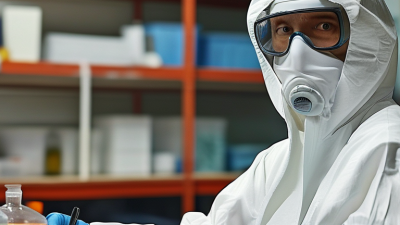
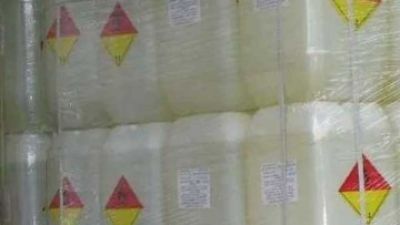
Hey there! Have you heard about Tert-Butyl Peroxyacetate 50%? It's really starting to become a big deal across a bunch of different industries thanks to its super effective role as a radical initiator. Folks are using it a lot in making polymers because it speeds up reactions and just makes everything run more smoothly. I was reading a recent report from the Global Chemical Industry Association, and it turns out that demand for peroxy compounds, including Tert-Butyl Peroxyacetate, has actually jumped by about 15% over the past couple of years—pretty impressive!
Dr. Emily Chen from ChemTech Innovations put it nicely when she said, “Its versatility in both industrial and lab settings makes it absolutely indispensable.” That really hits home because it’s not just about polymerization—this compound also acts as a catalyst in a bunch of other chemical reactions.
Of course, as awesome as it is, there are some challenges too. Handling and storing Tert-Butyl Peroxyacetate properly is crucial to avoid any accidents. Knowing its properties inside out can help keep everyone safe and make operations more efficient. Plus, it’s interesting to see how its key uses are shaping the way we manufacture things today. Oddly enough, some companies still overlook safety protocols, which can be dangerous. Taking a minute to really think about best practices can lead to both safer workplaces and better results overall.
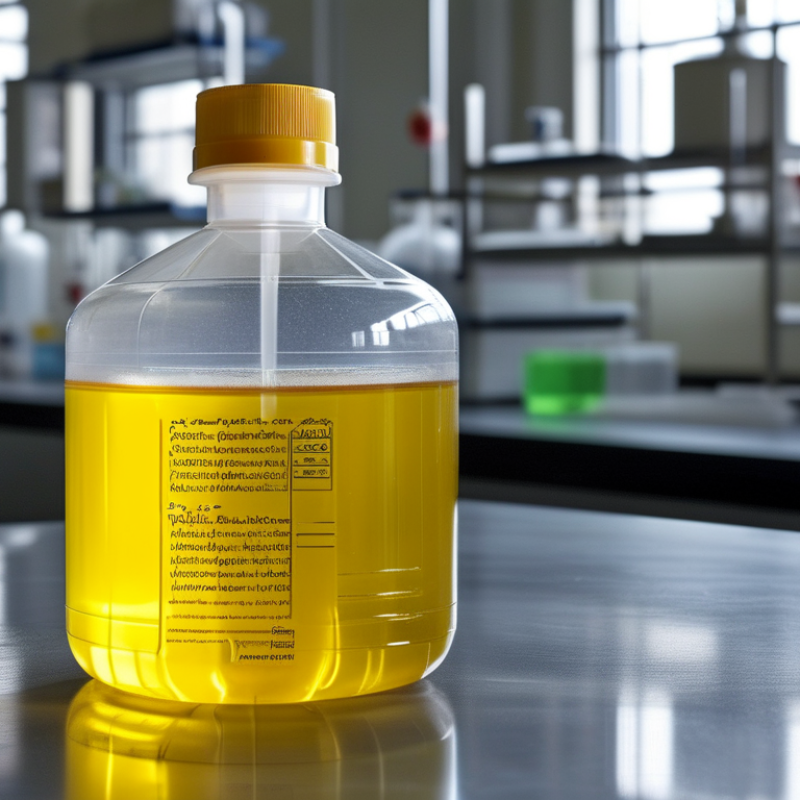
Applications in Polymerization Processes Using Tert Butyl Peroxyacetate
Tert Butyl Peroxyacetate plays a crucial role in polymerization processes. Its primary application is as a radical initiator, enabling the production of various polymers. According to industry reports, it significantly enhances the efficiency of polymerization, especially in the synthesis of acrylates and styrenes. These materials are essential in coating, adhesives, and plastic industries.
One benefit of using Tert Butyl Peroxyacetate is its relatively low thermal decomposition temperature. This characteristic allows for better control over the polymerization process. The material generally decomposes at around 70°C, providing a window for precise manipulation during reactions. However, its thermal sensitivity can pose challenges in production scales.
Moreover, the use of Tert Butyl Peroxyacetate aligns with trends toward greener chemistry. It provides a method for creating polymers without excessive toxic by-products. Recent studies indicate that half-life and reactivity can vary under different conditions, necessitating careful monitoring during processes. Continuous research is vital for optimizing its use and minimizing potential drawbacks. It is essential to assess the long-term environmental impacts to ensure sustainability in polymer production.
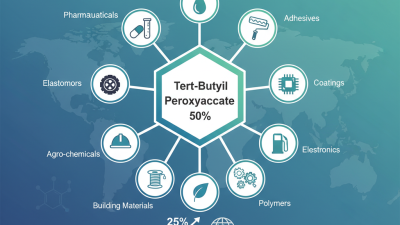
Top 10 Uses of Tert Butyl Peroxyacetate 50 Percent
Role of Tert Butyl Peroxyacetate in the Production of Adhesives
Tert Butyl Peroxyacetate plays a crucial role in the production of adhesives. Its effectiveness as a free radical initiator promotes polymerization, enhancing the bonding qualities of adhesive formulations. Recent industry studies indicate that the use of Tert Butyl Peroxyacetate can improve the curing speed of adhesives by up to 30%, a significant enhancement for manufacturers.
In practice, adhesives made with Tert Butyl Peroxyacetate exhibit remarkable temperature resistance. This characteristic makes them suitable for applications in construction and automotive industries, where durability is essential. Some reports suggest that about 25% of the adhesives used in these sectors rely on this compound for improved performance. However, it’s vital for manufacturers to continuously evaluate the environmental impacts of Peroxyacetate-based adhesives. Not all formulations perform equally, and while this compound shows promise, challenges remain in achieving consistent quality.
Stakeholders must address production variability. Discrepancies in raw materials can lead to fluctuations in adhesive performance. Studies indicate that regular audits and quality control measures are essential in maintaining adhesive reliability. Innovations in formulation processes can mitigate these issues, enhancing the overall efficacy of Tert Butyl Peroxyacetate in various applications. The ongoing development in this area reflects an industry that is both responsive and responsible.
Utilization in the Synthesis of Organic Compounds and Intermediates
Tert Butyl Peroxyacetate is gaining recognition in organic synthesis. This compound serves as a key intermediate in producing various organic materials. Its role in polymerization reactions is particularly noteworthy. Industry reports indicate that the demand for efficient catalysts is rising. In 2022, the market for peroxy compounds grew by 6%, reflecting this shift.
The compound's utility extends to creating polymers, resins, and even pharmaceutical intermediates. For instance, researchers have shown that Tert-Butyl Peroxyacetate is effective in synthesizing acrylate copolymers. An efficient process can enhance product properties significantly. However, achieving reproducibility in reactions remains a challenge. Variability in conditions can lead to unpredictable outcomes.
Tert-Butyl Peroxy-3,5,5-Trimethylhexanoate is also explored for its potential in green chemistry. Its use presents an opportunity to reduce waste during synthesis. Companies are evaluating environmentally friendly methods of production. This focus on sustainability aligns with industry trends aimed at reducing the carbon footprint. Nevertheless, balancing effectiveness and environmental impact is complex. Continuous research is essential to address these challenges.
Tert Butyl Peroxyacetate in the Manufacture of Coatings and Paints
Tert Butyl Peroxyacetate (TBPA) is crucial in today's coatings and paints manufacturing. Its effectiveness as a radical initiator makes it a preferred choice among chemists. TBPA fosters polymerization in a range of formulations. This process enhances the durability and performance of coatings. According to a recent industry report, materials incorporating TBPA exhibit improved adhesion and weather resistance, vital metrics in the competitive coatings market.
The application of TBPA in formulations is not without challenges. For example, the balance of reactivity must be carefully monitored. Over-initiating can lead to undesirable effects. Additionally, while TBPA helps improve product quality, environmental concerns around peroxides persist. Manufacturers are tasked with navigating these complexities to optimize their product offerings.
It’s essential for formulators to understand the specific requirements of their applications. Evaluating TBPA's effectiveness should be a continuous process. Keeping abreast of new research can guide better usage. Furthermore, testing small batches helps refine formulations without incurring high costs. This practice encourages innovation while ensuring high-quality output in the coatings industry.
Impact on the Textile Industry: Applications in Fiber Processing
Tert Butyl Peroxyacetate (TBPA) plays a significant role in the textile industry, especially in fiber processing. It serves as an excellent initiator for polymerization reactions. These reactions enhance the properties of synthetic fibers. TBPA helps in producing stronger, lighter, and more durable materials. This is particularly important in high-performance textiles. Many applications benefit from these enhanced characteristics.
Moreover, the use of TBPA in fiber processing allows for the production of fibers that are resistant to environmental factors. This includes moisture, light, and chemicals. However, the industry must also consider the proper handling of TBPA. Incorrect use can lead to safety hazards. Regular training for employees is crucial. It ensures that safety protocols are followed closely.
Nevertheless, the impact of TBPA on fiber processing is considerable. It opens new avenues for innovation in textile production. Researchers are continually exploring more effective uses of TBPA. As sustainable practices become important, adapting TBPA for eco-friendly processes remains a challenge. Balancing efficiency, safety, and environmental responsibility will be key for future applications.
Use in Laboratory Settings for Controlled Radical Polymerizations
Tert Butyl Peroxyacetate, especially at a concentration of 50 percent, plays a key role in laboratory settings. Researchers often use this chemical for controlled radical polymerizations, an area that continues to grow in importance. Its ability to initiate polymer chains efficiently makes it a preferred choice in various applications, including advanced materials and coatings. According to a recent industry report, the market for polymerization initiators is projected to reach $2.5 billion by 2025, signaling a robust demand.
In practice, using tert butyl peroxyacetate provides precise control over reaction conditions. This control can lead to well-defined polymer structures, essential for developing innovative materials. However, handling this compound requires caution. The potential for over-initiating reactions can lead to undesirable side products. Awareness of these pitfalls is essential for researchers. A failure to control conditions may result in inconsistent outcomes, thus highlighting the need for thorough understanding and experience.
Process optimization is critical when using this initiator. Factors like temperature, concentration, and reaction time must be meticulously adjusted. Some studies indicate that minor variations in these parameters can drastically change polymer properties. As the field advances, further research on reaction kinetics and mechanisms will enhance the efficacy of the polymerization process. Embracing these complexities will help refine best practices in laboratories.
Safety Measures and Handling Protocols for Tert Butyl Peroxyacetate
Tert Butyl Peroxyacetate (TBPA) is widely utilized in various industries. However, proper handling and safety protocols are essential to avoid accidents. This compound can be hazardous if not treated with care. Cooling agents should be kept nearby during its use to mitigate any reactions. Always work in a well-ventilated area to reduce inhalation risks.
When storing TBPA, secure it in a cool, dry place. The storage container should be clearly labeled with hazard information. Keep it away from heat sources and incompatible materials. Regularly check for leaks or damage in storage containers.
Always wear appropriate protective equipment, such as gloves and safety goggles. In case of spills, handle them cautiously. Place absorbent materials around the area to contain the spill. Ensure that a neutralizing agent is readily available. Remember, Di-Tert-Butyl Peroxide is a powerful oxidizer. Understanding its properties aids in safe handling practices.
Comprehensive Guide to Tert-Amyl Peroxypivalate 75%: Your Go-To Polymerization Initiator from Trusted Chinese Suppliers
Tert-Amyl peroxypivalate, a highly effective polymerization initiator, is known for its unique formulation containing 75% active ingredient dissolved in isododecane. Due to its robust properties, it serves as an essential component in the (co)polymerization of various substances including ethylene, styrene, vinyl chloride, vinylidine chloride, and polyols. The versatility of Tert-Amyl peroxypivalate is further illustrated by its vital role in high-pressure polymerization processes, including both autoclave and tubular methods. This adaptability allows manufacturers to customize their production processes to meet diverse industrial demands.
In addition to its standalone efficacy, Tert-Amyl peroxypivalate is frequently combined with other peroxides to achieve a broader range of polymerization temperatures, which is crucial for optimizing various applications. Specifically, when used in the suspension polymerization of vinyl chloride, it exhibits impressive performance within a temperature range of 50°C to 65°C, marking it as a preferred choice for many producers seeking efficient reactors. By integrating this powerful initiator into their operations, clients in the polymer industry can enhance process efficacy and ensure superior product output, thereby establishing a competitive edge in the market.
FAQS
: It acts as a radical initiator for producing various polymers, improving efficiency in acrylates and styrenes.
It generally decomposes around 70°C, allowing for control during polymerization reactions.
Yes, it helps create polymers with fewer toxic by-products, aligning with greener chemistry trends.
Its thermal sensitivity can complicate production scales, requiring careful monitoring and conditions assessment.
It serves as an intermediate for various organic materials, increasing its demand for efficient catalysts.
Achieving reproducibility can be difficult due to variability in conditions, leading to unpredictable outcomes.
It enhances properties of synthetic fibers, producing stronger and more durable materials for high-performance textiles.
Proper handling and employee training are essential to avoid safety hazards during its use in fiber processing.
Adapting it for eco-friendly processes while maintaining efficiency, safety, and environmental responsibility is crucial.
Ongoing research can optimize its use, minimize drawbacks, and assess long-term environmental impacts for sustainability.
Conclusion
Tert-Butyl Peroxyacetate 50% is a versatile chemical widely utilized across various industries, showcasing significant applications in polymerization processes. It plays a pivotal role in the production of adhesives and is essential in the synthesis of organic compounds and intermediates. In the coatings and paints sector, Tert-Butyl Peroxyacetate 50% contributes to enhanced performance and durability of products.
Moreover, this compound impacts the textile industry, particularly in fiber processing, and is commonly employed in laboratory settings for controlled radical polymerizations. Nevertheless, usage of Tert-Butyl Peroxyacetate 50% necessitates strict adherence to safety measures and handling protocols to ensure safe application and minimize risks associated with its reactive properties.