Inquiry
Form loading...
0%

When you’re sourcing Dibenzoyl Peroxide50%, it’s not just about scanning a supplier list and picking the lowest price. Global buyers have to think about consistent quality, compliance paperwork, and whether the supplier actually communicates well. This guide rounds up some of the leading Dibenzoyl Peroxide 50% suppliers for industrial and commercial purchasing. It sticks to things you can verify, not fluffy marketing claims. Product grade, concentration, packaging condition, shipment records — all of that deserves a close look.

Most experienced buyers will ask for a current Certificate of Analysis, SDS, technical spec, and batch traceability docs. They’ll also check storage guidance, shelf life, labeling standards, and transport capabilities before placing an order. A reliable supplier should be able to explain quality controls clearly and answer practical questions without dragging their feet. Little things matter too: sealed containers, readable batch numbers, outer packaging that won’t arrive crushed. Those details often tell you a lot about how a company actually operates.

No supplier is perfect, of course. A nice website doesn’t replace independent verification. Buyers should dig into company history, production capacity, export experience, and how their customer support really performs. It’s also worth confirming whether the supplier can meet destination-country requirements through authorized channels. Regulations vary, and documents may need local review. That step can feel slow, but it saves you from expensive surprises later. This overview is meant to help you compare established suppliers carefully — not to replace professional compliance advice. Market conditions shift, and supplier rankings may need regular reassessment. At the end of the day, reliability is earned over time.
Top Dibenzoyl Peroxide 50% Suppliers for Global Buyers

Dibenzoyl Peroxide 50%: Composition, Uses, and Industry Role

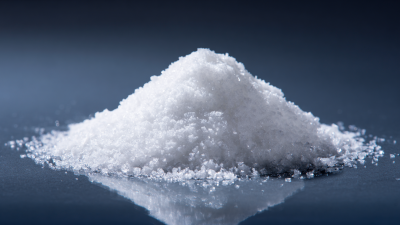
Dibenzoyl Peroxide 50% is a formulated initiator, not a simple pure chemical grade. It usually contains about half active dibenzoyl peroxide, with water, plasticizer, or another stabilizing carrier. The exact composition depends on the supplier’s formulation and intended process. Buyers should check the safety data sheet, certificate of analysis, assay, moisture level, and particle profile before approval.

In polymer production, this material helps start free-radical reactions. It is widely used for acrylic resins, unsaturated polyester systems, and selected styrenic applications. During controlled processing, heat activates the peroxide and supports polymer chain formation. A technician may observe changes in viscosity, curing speed, and surface finish. Small differences matter. Poor temperature control can cause inconsistent curing or unwanted decomposition.

Dibenzoyl Peroxide Powder requires careful handling and suitable storage conditions. Keep it away from contamination, excessive heat, friction, and incompatible materials. Packaging should remain sealed and traceable through transport and production. Global buyers should also review batch consistency, technical support, and local chemical requirements. A low price can hide weak documentation. It is easy to assume every 50% grade performs alike, but that assumption needs testing. Small laboratory trials often reveal differences that product sheets miss.

Key Standards for Evaluating Global DBPO 50% Suppliers

Top Dibenzoyl Peroxide 50% Suppliers for Global Buyers

Key Standards for Evaluating Global DBPO 50% Suppliers

A reliable DBPO 50% supplier should provide a current technical data sheet, safety data sheet, and batch-specific certificate of analysis. Check active peroxide content, paste uniformity, moisture, and viscosity against agreed specifications. Small differences can affect curing results.

Traceability matters. Each container should show a batch number, production date, recommended storage temperature, and remaining shelf life. Ask how the supplier controls temperature during storage and international transport. Packaging should be sealed, clearly labeled, and suitable for the product’s classification. Request documented quality procedures, not only attractive sales language.

Technical support also separates capable suppliers from simple traders. They should explain application limits for Dibenzoyl Peroxide Paste Hardener and recommend controlled testing before full-scale use. Independent laboratory verification can confirm the supplier’s claims. It is worth checking export experience, insurance, complaint handling, and response times. No supplier is flawless. A missed document or delayed answer may reveal weak internal control. Still, one audit cannot prove everything. Recheck certificates, inspect samples, and compare results across several batches before approving a long-term supply relationship.

Leading Supplier Regions and Manufacturing Capabilities

Top Dibenzoyl Peroxide 50% Suppliers for Global Buyers

Leading Supplier Regions and Manufacturing Capabilities

China and India remain important sourcing regions for Dibenzoyl Peroxide 50% products. Their factories often support large-volume production, flexible packaging, and export documentation. European manufacturers may offer stronger process controls and specialized technical services. Regional strengths differ, though. No sourcing market is perfect.

Reliable facilities should show controlled temperature systems, sealed mixing equipment, and batch-level testing. Key checks include active peroxide content, viscosity, moisture, color, and storage stability. A capable supplier can provide recent certificates of analysis and explain its sampling method. Ask about production capacity during peak seasons. Capacity claims can look impressive on paper.

Tips: Request a small trial batch before signing a large contract. Inspect the packaging, label clarity, and material consistency. Confirm whether the product suits your intended resin system and processing temperature. Buyers should also review transport conditions, shelf-life guidance, and emergency contact procedures. These details often reveal operational maturity better than a polished catalog.

For industrial applications, suppliers should maintain traceable raw-material records and documented quality procedures. Audited production sites can reduce avoidable risks, but an audit is not a permanent guarantee. Regular performance reviews still matter. Some buyers focus too heavily on price and overlook formulation consistency. That mistake can create uneven curing, production delays, and unnecessary waste.

Top Dibenzoyl Peroxide 50% Suppliers for Global Buyers - Leading Supplier Regions and Manufacturing Capabilities

Global sourcing reference for benzoyl peroxide 50% active formulations, including common carrier systems, manufacturing strengths, logistics profiles, and buyer verification points.
Supplier Region Typical Product Form Nominal Active Content Common Manufacturing Capabilities Primary End-Use Industries Export & Logistics Profile Key Buyer Verification Points
China & East Asia Paste, wet powder, or stabilized dispersion Usually marketed as approximately 50% benzoyl peroxide, with the balance consisting of water, plasticizer, or another approved carrier Large-scale organic peroxide production; particle-size control; carrier blending; moisture-controlled packing; export-oriented batch production Polyester resins, fiberglass-reinforced plastics, Body Fillers, coatings, adhesives, and composite molding Strong containerized export infrastructure; common shipment formats include approved drums, pails, and cartons subject to dangerous-goods requirements Confirm active-content assay, carrier composition, decomposition-temperature data, UN classification, SDS revision, and temperature-control requirements
Western Europe Stabilized paste, suspension, or specialty initiator formulation Common commercial grade centered around 50% active material; exact specification depends on the carrier and application High emphasis on formulation consistency, process safety, quality systems, traceability, controlled storage, and application-specific grades Advanced composites, engineered plastics, adhesives, sealants, coatings, and industrial polymer processing Well-developed regional distribution and regulatory documentation; cross-border transport follows strict dangerous-goods procedures Request REACH status where applicable, CLP classification, technical data sheet, batch traceability, storage limits, and change-control policy
North America Paste or stabilized dispersion for resin and composite applications Typically supplied near the 50% active range, subject to product-specific tolerance and carrier system Application-focused compounding; resin-system compatibility testing; lot control; technical support for curing and composite production Marine and automotive composites, construction materials, repair compounds, polymer concrete, and industrial resins Strong domestic distribution networks and established hazardous-material transport practices; packaging is selected according to transport regulations Verify OSHA HazCom documentation, DOT transport classification, viscosity range, gel-time performance, and compatibility with the buyer’s resin system
India & South Asia Paste, wet powder, or carrier-stabilized peroxide blend Commercial offerings may target 50% active content, with tolerances defined in the certificate of analysis Growing organic-peroxide and polymer-additive manufacturing base; custom packing; batch blending; regional technical support Putty, laminates, molded composites, coatings, adhesives, and general-purpose unsaturated polyester resin systems Competitive regional supply; exports commonly require advance review of hazardous-goods documentation and port handling conditions Check certificate-of-analysis format, assay method, residual solvent or water data, packaging approvals, shelf life, and export documentation capability
Southeast Asia Imported or locally packed stabilized paste and dispersion grades Often specified around 50% active content for polyester-resin curing applications Regional compounding, repacking, warehousing, and distribution; some facilities provide application-specific dilution or carrier adjustment Construction composites, sanitary ware, laminates, transportation components, and repair materials Convenient access to major Asian ports; supply chains may combine local stocking with imported bulk or packaged material Distinguish between original manufacturing and repacking; confirm manufacturing site, batch origin, storage conditions, and local import registration
Middle East & Africa Primarily imported paste or stabilized peroxide formulation Products are commonly purchased to a nominal 50% active specification for resin curing More limited local production in many markets; capabilities often focus on regional warehousing, repacking, and technical distribution Building materials, artificial stone, fiberglass products, maintenance compounds, and general composite fabrication Longer lead times may apply; temperature exposure during ocean and inland transport should be assessed before shipment Confirm local chemical registration, port restrictions, maximum transport temperature, emergency-response information, and distributor inventory policy
Latin America Stabilized paste or dispersion supplied through local distributors and importers Commonly sourced near 50% active content, with grade selection based on resin type and curing conditions Regional blending and distribution in selected markets; strong demand for polyester-resin and composite-processing grades Marine parts, automotive repair, construction panels, sanitary ware, and fiberglass-reinforced products Import-based supply is common; lead times and landed cost depend on port access, hazardous-goods handling, and local inventory Review Spanish or Portuguese SDS availability, local labeling, customs classification, storage temperature, and distributor authorization
Procurement note: “50%” describes the nominal active benzoyl peroxide level and does not by itself define product performance. Buyers should compare assay tolerance, carrier chemistry, viscosity, particle size, decomposition behavior, storage temperature, shelf life, packaging, and applicable dangerous-goods regulations before placing an order.

Product Quality, Packaging, and Storage Requirements

For global buyers, a 50% dibenzoyl peroxide grade should arrive as a controlled, uniform formulation—not a lumpy paste with separated liquid. Supplier qualification should include assay results, particle distribution, active-oxygen data, and a current Safety Data Sheet. Ask for batch-specific certificates, not generic files. The UN Recommendations on the Transport of Dangerous Goods, 23rd revised edition, classify organic peroxides under Division 5.2. Packaging must therefore match the approved transport classification and local requirements.

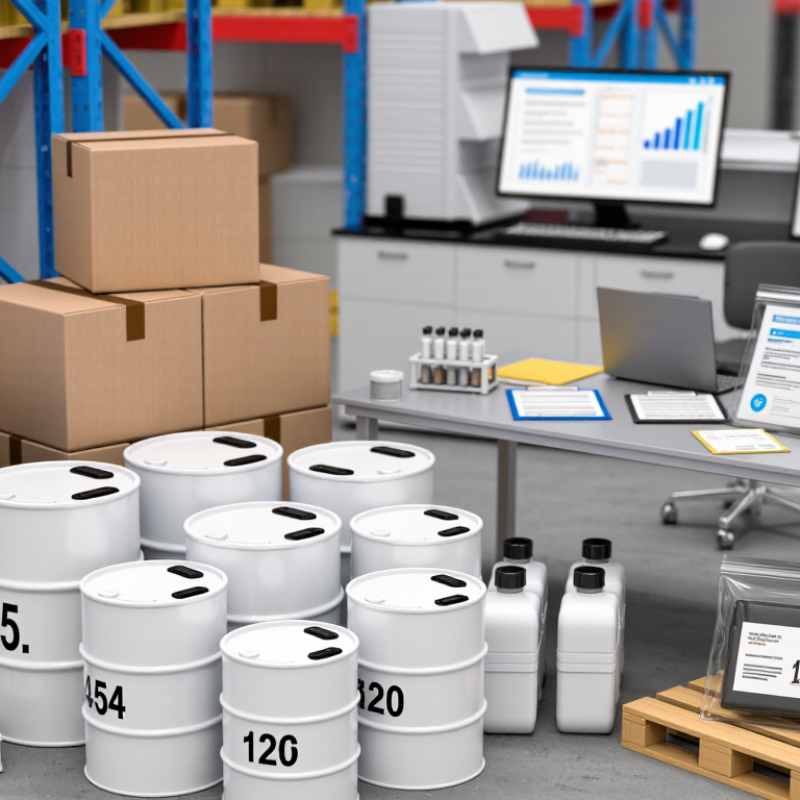
Packaging details matter. A reliable supplier should use compatible, sealed inner containers with protective outer packaging and clear batch labels. The label should show concentration, net weight, production date, expiry date, handling symbols, and emergency contact details. Temperature records are valuable during ocean transport. A single overheated container can damage an entire shipment. Storage rooms should be cool, shaded, dry, ventilated, and separated from heat sources, reducing agents, acids, alkalis, and contamination. Follow the product SDS and its specified SADT, because storage limits vary by formulation. Do not assume every peroxide behaves like Di-Tert-Amyl Peroxide. They are different materials, with different decomposition behavior. Some supplier instructions remain vague, and that deserves scrutiny. Buyers should request temperature limits, return procedures, and inspection photos before approval. Small details often expose weak quality systems.

Regulatory Compliance and International Shipping Considerations

Top Dibenzoyl Peroxide 50% Suppliers for Global Buyers

For global buyers, supplier selection begins with regulatory evidence, not price. Dibenzoyl peroxide 50% is commonly supplied as a stabilized formulation. Its classification can vary by concentration, stabilizer, packaging, and destination. Request a current Safety Data Sheet, Certificate of Analysis, technical specification, and product classification before placing an order. Check that the documents match the exact batch and formulation.

Reliable suppliers should explain their quality system and export experience clearly. Ask for batch traceability, storage conditions, shelf-life data, and written confirmation of stabilizer content. A real warehouse detail matters: temperature records, sealed containers, and readable hazard labels should support the paperwork. Do not rely on an old SDS. Regulations change. Sometimes suppliers answer quickly but provide incomplete transport data, which is a warning sign.

International shipping requires careful coordination with a dangerous-goods forwarder. Confirm the applicable UN designation, packing instruction, transport mode, quantity limits, and emergency documentation. Air freight may face stricter restrictions than sea or road transport. Importers should verify local chemical registration, labeling language, customs codes, and any permit requirements before shipment. REACH, GHS, and national rules may not align perfectly. That is where mistakes happen. A small mismatch between the invoice, SDS, and package label can delay customs clearance or cause return costs. Buyers should keep written compliance records and obtain independent advice when local requirements remain unclear.

Top Dibenzoyl Peroxide 50% Suppliers for Global Buyers - Regulatory Compliance and International Shipping Considerations

The chart shows whether major international dangerous-goods frameworks recognize the Class 5.2 organic peroxide transport designation. A value of 1 indicates that the framework contains specific organic peroxide transport provisions; a value of 0 indicates that it is not a transport classification system.

The final transport classification, UN number, packing method, temperature controls, and documentation requirements depend on the exact 50% dibenzoyl peroxide formulation, stabilizer system, physical form, and current safety data sheet. References: UN Model Regulations, ADR, IMDG Code, IATA Dangerous Goods Regulations, and the U.S. Hazardous Materials Regulations.

How Global Buyers Can Compare Suppliers and Request Quotes

Global buyers comparing dibenzoyl peroxide 50% suppliers should examine more than the quoted price. Grand View Research estimates the global organic peroxide market at about USD 1.5 billion in 2023, with continued growth expected through 2030. This expansion increases supplier choices, but not necessarily product consistency.

Request the same specification from every supplier. Include peroxide concentration, carrier type, moisture range, particle form, packaging size, minimum order quantity, and shelf life. Ask for a recent certificate of analysis and safety data sheet. Check whether the batch number matches both documents. A practical quote should also show production lead time, available stock, export packaging, Incoterms, payment terms, and transport conditions. Small details matter.

Compare delivered cost, not only the unit price. The UN Comtrade database shows substantial international trade activity across organic peroxide classifications, while freight, insurance, and customs handling can change the final cost significantly. Request quotations for one pallet and one full container. Ask suppliers to state temperature controls and storage recommendations clearly. An independent laboratory test can verify active content before a larger purchase. It adds time and expense. Sometimes it prevents a larger mistake.

Supplier experience is also measurable. Review batch history, complaint response time, change-control procedures, and customer references from similar applications. A supplier promising unusually long shelf life deserves careful questioning. Market reports offer useful direction, but their figures are estimates. Your own samples, documents, and audit findings should carry greater weight.

Industrial Benzoyl Peroxide 50% Paste: Applications, Quality Standards, and Reliable China Suppliers

Industrial BPO 50% Paste is a practical form of dibenzoyl peroxide for resin and monomer processing. Containing approximately 50% active peroxide dispersed in a smooth, creamy carrier, it dissolves readily into compatible systems while offering a non-separating, fire-resistant texture. Compared with dry or technical grades, the paste can reduce dust formation and simplify handling. Chemical reference data list benzoyl peroxide at a molecular weight of 242.23 g/mol, while its limited solubility profile supports controlled use in resin formulations: it is slightly soluble in selected alcohols and petroleum solvents but remains insoluble in chlorinated solvents.

For industrial buyers, quality should be verified through batch-specific certificates of analysis covering active content, appearance, dispersion uniformity, viscosity, and storage stability. Safety documentation should follow the Globally Harmonized System, and transport classification should be checked against the UN Recommendations on the Transport of Dangerous Goods for organic peroxides. Reliable China suppliers should also demonstrate consistent manufacturing controls, traceable raw materials, suitable packaging, and responsive technical support. Alignment with ISO 9001 quality-management practices can further improve batch reliability for fiberglass, acrylic, polyester, and composite applications. Selecting a supplier capable of providing samples, SDS documentation, inspection records, and export-ready packaging helps manufacturers maintain process consistency and safer plant operations.

FAQS

Which regions commonly supply Dibenzoyl Peroxide 50%?

China and India support large-volume production, flexible packaging, and export documentation. European facilities may provide tighter process controls. Regional strengths vary.

What should buyers inspect at a supplier’s facility?

Look for controlled temperature systems and sealed mixing equipment. Batch-level testing should cover active content, viscosity, moisture, color, and storage stability.

Which documents should a supplier provide?

Request a recent certificate of analysis and safety data sheet. Confirm that the batch number matches both documents. Check the sampling method.

What information should a quotation include?

Request concentration, carrier type, moisture range, particle form, package size, minimum order, and shelf life. Also confirm lead time, Incoterms, payment terms, and transport conditions.

Should buyers order a trial batch?

Yes. A small trial batch can reveal packaging damage, unclear labels, inconsistent material, or poor resin compatibility. Small tests help.

How can buyers compare the real purchase cost?

Compare delivered cost, not only unit price. Include freight, insurance, customs handling, and temperature-controlled transport. Request pallet and full-container quotations.

How can product consistency be checked before a large order?

Use independent laboratory testing when practical. Verify active content and compare results with the supplier’s certificate. It costs time, but may prevent waste.

What supplier performance records deserve attention?

Review batch history, complaint response time, change-control procedures, and similar customer references. Ask about peak-season capacity. Paper claims can mislead.

What storage and transport details should buyers confirm?

Ask for clear temperature controls, storage recommendations, shelf-life guidance, and emergency contact procedures. Packaging should remain sealed and clearly labeled.

Is a factory audit enough to guarantee reliability?

No. An audit can reduce avoidable risks, but it is not permanent proof. Regular reviews and sample testing still matter. Suppliers change.

Conclusion

Dibenzoyl Peroxide 50% is a commonly supplied organic peroxide formulation used in polymer production, resin curing, and related industrial processes. Its concentration, active oxygen content, decomposition characteristics, and consistency are important factors in determining suitability for different applications. Global buyers should evaluate suppliers based on manufacturing capability, quality-control systems, technical documentation, production capacity, and experience with international orders. Reliable suppliers should provide clear specifications, certificates of analysis, safety data sheets, and batch traceability.

Product quality also depends on suitable packaging, temperature-controlled storage, and careful handling throughout transportation. Buyers should confirm that packaging protects the material from heat, contamination, and physical damage, while also reviewing shelf-life and storage guidance. Regulatory compliance is essential, including accurate labeling, required transport documentation, and destination-market requirements. When comparing suppliers, buyers can request detailed quotations covering product specifications, minimum order quantities, lead times, packaging formats, shipping terms, and after-sales support. A structured comparison helps identify a dependable source that balances quality, safety, logistics, and total cost.

Clara

Clara

Clara is a dedicated professional marketing personnel at Qianfa Fine Chemicals Co., Ltd., where she leverages her extensive knowledge of the company's product offerings to drive successful marketing strategies. With a strong background in fine chemicals, Clara has developed a deep understanding of......
Previous How to Choose the Best AIBN Initiator Supplier?