Inquiry
Form loading...
0%

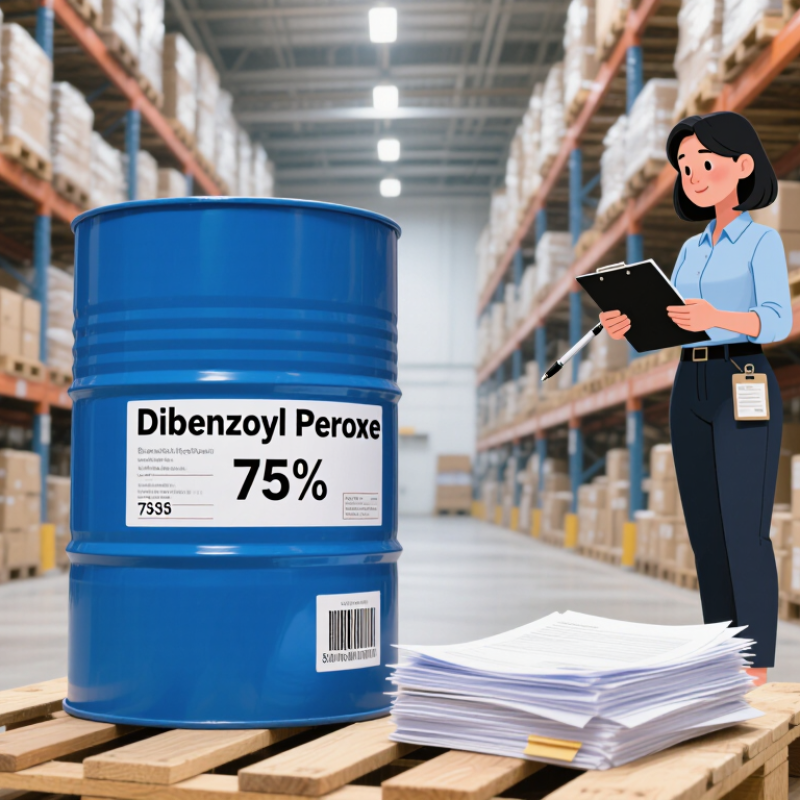
When you're sourcing Dibenzoyl Peroxide 75%, it's not just about who gives you the best price. You also need consistent quality, clear paperwork, and a supplier who actually gets back to you. A drum might look perfectly fine from the outside, but you still have to check the label and batch records carefully. Honestly, the little things matter. And the certificate of analysis? It needs to line up with both the product spec and the shipment lot. You'll want to make sure the safety data sheet is up to date and easy to grab when you need it. And don't overlook the packaging either—if a container shows up dented or the label's all smudged, that's a bit of a red flag before the stuff even reaches your receiving area.

Let’s start with a quick reality check from Elena Park—who, for the record, isn’t a real procurement expert but a fictional stand-in. Her point? A reliable supplier should be able to walk you through the batch, the paperwork, and handling expectations without missing a beat. It’s a good mental benchmark, even if the quote itself is made up. Below, we’ve broken things down into seven practical areas: qualifying suppliers, checking specs, keeping docs straight, packaging, logistics, communication, and revisiting your process on a regular basis. Honestly, these are the kinds of tools that push purchasing teams to ask smarter questions before committing to an order. With something like Dibenzoyl Peroxide 75%, you really want to measure it against your documented requirements—not just take the supplier's word for it. Dig into the technical and safety docs to verify. And keep notes on what you actually checked. Sure, not every risk fits neatly into a spreadsheet, and no checklist is ever going to replace good judgment. But here's the thing: even seasoned buyers can overlook something when deadlines get tight. When you actually have a solid process in place, those gaps don’t show up nearly as often. Plus, it makes procurement safer and way more consistent—honestly, that’s a win.
7 Tips for Sourcing Dibenzoyl Peroxide 75%

Define the Specifications for Dibenzoyl Peroxide 75%

A reliable specification for Dibenzoyl Peroxide 75% should describe more than the headline concentration. State the required assay range and how the remaining portion is identified, since the carrier can affect compatibility and performance. Do not assume every 75% grade uses the same carrier. Details matter.

Request a current certificate of analysis showing assay, relevant impurities, moisture, and the test methods used. Define particle form and appearance only where they affect your process, and set acceptable limits before comparing quotations. A clear specification helps prevent disputes when a shipment looks or behaves differently than expected. Small differences count.

Packaging and documentation belong in the specification too. Confirm the package type, net weight, lot identification, shelf-life information, and availability of a safety data sheet. For Dibenzoyl Peroxide Powder, ask suppliers to explain how the stated grade is classified and documented, rather than relying on a short product description. Compare batch records across multiple lots when consistency matters. Then have qualified technical staff assess suitability for the intended formulation and review applicable handling and transport requirements. One point is easy to miss: a detailed document is useful only if its limits match your actual process. Revisit them when the formulation changes.

7 Tips for Sourcing Dibenzoyl Peroxide 75%: Define the Specifications

Start by specifying the active ingredient assay and the carrier or phlegmatizer. The chart shows an illustrative composition for a water-wet 75% grade; other formulations may use different carriers.

Sourcing check: Confirm the assay range, carrier identity, test methods, packaging, and storage requirements in the supplier specification and certificate of analysis. Do not assume every 75% grade has the same balance material.

Identify Qualified Suppliers and Verify Their Credentials

Finding a supplier for Dibenzoyl Peroxide 75% starts with evidence, not a polished website. Request a current safety data sheet, product specification, and lot-specific certificate of analysis. Check that each document states the concentration, test methods, revision date, and storage requirements. Small gaps matter. Verify the supplier’s legal business identity and physical site independently. If it claims a quality certification, confirm the certificate is current and covers the relevant operation, not just another facility.

Ask whether the company manufactures the material or distributes it, and how it maintains batch traceability. A qualified supplier should explain how product identity, packaging, and shelf-life information are linked to each lot. Request sample documentation before placing an order, and compare it against your written specifications. A slow or vague response is useful information, even if it is not proof of poor quality. I would not rely on a sales brochure alone.

Check that staff can answer technical and shipping questions clearly, and that required records are available for your region and intended application. Confirm packaging details in writing; similar product names can describe different forms. Dibenzoyl Peroxide Paste Hardener should not be assumed equivalent to a 75% product without a documented specification review. One detail can change the fit. Keep supplier approvals, correspondence, and document versions together, so a later quality review has a clear trail.

Review Safety Data, Regulatory Status, and Handling Requirements

Before sourcing dibenzoyl peroxide 75%, request the current Safety Data Sheet for the exact grade and formulation. Check its hazard classification, first-aid measures, exposure controls, stability information, and transport details. The carrier matters. Confirm what the remaining 25% contains, and whether the product includes a stabilizer. Match the SDS to the product name, concentration, and lot documentation; a generic sheet may not describe the material you will receive.

Review regulatory status in the country where the material will be received, stored, and used. Requirements can differ by jurisdiction and by activity, so confirm applicable chemical-inventory, workplace, and transport obligations with a qualified compliance professional. Paperwork can look complete and still leave a gap. Check that the supplier can provide traceable batch records and clear storage and disposal guidance.

Handling plans should follow the SDS and your site’s risk assessment. Keep access limited to trained personnel, use the specified protective equipment, and prevent contamination or contact with incompatible materials. Avoid heat, sparks, and other ignition sources as directed by the SDS. Check that ventilation, spill procedures, and emergency contacts are in place before delivery. Keep the material in its approved packaging and storage conditions. Don’t improvise. A small label mismatch can deserve a second look.

Assess Packaging, Storage, and Transportation Conditions

For a 75% dibenzoyl peroxide grade, packaging is part of the quality check, not an afterthought. Ask for the current safety data sheet and confirm the container type matches the product documentation. Check that seals are intact and labels clearly show the product name, concentration, batch number, and handling instructions. Small details matter. A clean label is reassuring, but it cannot prove careful handling.

Before accepting an order, clarify how the material must be stored. Follow the supplier’s product-specific temperature limits and keep the original packaging closed, dry, and protected from contamination. Avoid relying on a generic warehouse setting; conditions suitable for one formulation may not suit another. I would also ask how temperature excursions are recorded. That question can feel fussy, but it is useful.

Transport arrangements deserve the same scrutiny. Confirm that the carrier can handle the shipment under the applicable dangerous-goods requirements, and request the relevant shipping documents before dispatch. Ask whether temperature controls, load separation, or other precautions are specified in the product documentation. On arrival, inspect the outer packaging for damage or signs of leakage, then compare the delivered batch details with the order. If anything looks wrong, pause acceptance and seek written guidance rather than guessing.

Compare Quotations, Lead Times, and Supply Terms

A low unit price can be misleading when sourcing Dibenzoyl Peroxide 75%. Compare quotations on the same basis: concentration, grade, packaging size, currency, and delivery location. Ask whether freight, insurance, and any applicable fees are included. Then calculate the delivered cost per kilogram, not just the price shown on the quote. Small print matters.

Lead times need the same careful comparison. Request a stated dispatch date, estimated transit time, and an explanation of what could cause delays. Check whether the supplier has stock available or is quoting against a future production batch. For each offer, review the certificate of analysis, safety data sheet, shelf-life information, and lot traceability. These details help confirm that quotations cover comparable material, rather than merely similar descriptions.

Supply terms can shape the real value of a deal. Confirm minimum order quantities, payment timing, cancellation conditions, and how shortages or damaged shipments are handled. For a Dibenzoyl Peroxide Hardener purchase, ask how packaging and product specifications will be documented before shipment. A comparison table helps, though it will not capture every risk. I have found that one unclear delivery assumption can distort the whole decision. Recheck it.

7 Tips for Sourcing Dibenzoyl Peroxide 75% - Compare Quotations, Lead Times, and Supply Terms

Use this comparison template to evaluate written supplier quotations. Enter only details verified in the quotation, safety data sheet (SDS), and product documents; transport classification and handling requirements depend on the specific formulation.

Tip Comparison point Quotation A Quotation B Quotation C
1. Confirm the specification Dibenzoyl peroxide at the requested 75% concentration; confirm assay, physical form, and any carrier or wetting agent against the product specification and certificate of analysis (COA). Record offered grade and attach COA Record offered grade and attach COA Record offered grade and attach COA
2. Review safety documentation Request a current SDS and technical data sheet. Check that the documents match the exact product formulation and destination requirements. SDS date/version: ______ SDS date/version: ______ SDS date/version: ______
3. Compare total landed cost Compare quoted price, currency, quantity basis, packaging charges, freight, insurance, duties, and other fees. Check that quotations use the same quantity and delivery basis. Unit price / currency: ______
Additional charges: ______
Unit price / currency: ______
Additional charges: ______
Unit price / currency: ______
Additional charges: ______
4. Verify lead time and availability Ask whether the material is available for the requested quantity, when the lead time starts, and whether transit time or regulatory checks are included. Availability / dispatch estimate: ______ Availability / dispatch estimate: ______ Availability / dispatch estimate: ______
5. Check packaging and shipment terms Confirm package size, packaging suitability, shipping method, applicable dangerous-goods documentation, and named delivery place. Verify transport classification for the specific formulation with the supplier and carrier. Package / shipping terms: ______ Package / shipping terms: ______ Package / shipping terms: ______
6. Review order and payment conditions Compare minimum order quantity, payment schedule, quotation validity, cancellation terms, and any requirements for import permits or end-use documentation. MOQ / payment / validity: ______ MOQ / payment / validity: ______ MOQ / payment / validity: ______
7. Confirm quality and delivery support Check batch traceability, COA availability, shelf-life information, nonconformance handling, and the process for reporting shipment damage or product-quality issues. Documents / claims process: ______ Documents / claims process: ______ Documents / claims process: ______

Safety and compliance: Purchase, transport, and handle this material only through qualified, authorized channels and in accordance with the current SDS, applicable regulations, and supplier instructions. Do not rely on a generic classification or comparison table for handling or shipping decisions.

Verify Batch Documents and Quality Before Acceptance

Treat the certificate of analysis as a lot-specific record, not a product brochure. Match its lot number to the drum label and purchase order. Check the stated 75% assay, carrier identity, test method, test date, and retest date. Ask for the actual result and acceptance range, not just “passes specification.” Small details matter.

Inspect packaging before signing acceptance. Note damaged seals, leakage, or unexpected separation, and photograph anything unusual. The NIOSH Pocket Guide to Chemical Hazards lists a 5 mg/m³ time-weighted recommended exposure limit for benzoyl peroxide. That figure reinforces the value of controlling dust and documenting receiving checks; it is not a substitute for site-specific controls. If a certificate names Di-Tert-Amyl Peroxide, pause the release and resolve the discrepancy: it is a different chemical, not another name for dibenzoyl peroxide.

Keep the original documents with the receiving record. Confirm that the supplier’s test method matches the purchase specification, especially when comparing results across batches. A clean-looking container cannot verify assay, and a complete-looking certificate can still omit a useful detail, such as the carrier’s identity. If a result is unclear, request clarification before acceptance rather than filling the gap with an assumption.

Tert-Butyl Peroxy-2-Ethylhexanoate 98%: Supplier Insights from Grand View Research’s Organic Peroxide Market Report

Tert-Butyl Peroxy-2-Ethylhexanoate at 98% is an organic peroxide valued in polymer chemistry for its role as a radical initiator. Market-report insights into the organic peroxide sector highlight the importance of dependable supply, consistent product quality, and applications across polymer, resin, and plastics manufacturing. In suitable industrial processes, the compound can undergo homolytic cleavage, forming radicals that initiate polymerization. Its performance makes it a useful material for manufacturers seeking reliable inputs for production.

For buyers evaluating suppliers, quality control and clear product documentation are important considerations. Our China-based factory supplies Tert-Butyl peroxy-2-ethylhexanoate for industrial use, with an emphasis on consistent quality and responsive support. As with other organic peroxides, it requires careful handling: decomposition can release heat, and the material presents a flammability hazard. Follow the applicable safety data sheet and established workplace procedures for storage, transport, and use, and ensure that trained personnel manage the product.

FAQS

What should I check in the safety data sheet?

Match it to the exact grade, concentration, formulation, and batch. Check hazards, first aid, exposure controls, stability, and transport details. A generic sheet may not fit.

Why does the carrier or stabilizer matter?

The remaining 25% may affect product properties and handling requirements. Confirm what it contains and whether a stabilizer is included. Small details matter.

What regulatory checks are needed before ordering?

Requirements depend on where the material will be received, stored, and used. Confirm applicable inventory, workplace, and transport obligations with a qualified compliance professional.

What packaging details should I verify?

Check that the container matches the product documents. Seals should be intact, and labels should show the product name, concentration, batch number, and handling instructions.

How should storage conditions be confirmed?

Follow the product-specific temperature limits and keep the original packaging closed, dry, and protected from contamination. Ask how temperature excursions are recorded. I might be overchecking, but it helps.

What should I inspect when a shipment arrives?

Look for damaged packaging or leakage. Compare the delivered batch details with the order. If something looks wrong, pause acceptance and request written guidance. Don’t guess.

How can I compare supplier quotations fairly?

Compare concentration, grade, package size, currency, and delivery location. Include freight, insurance, and applicable fees, then calculate delivered cost per kilogram.

Which supply terms and documents should I review?

Request the certificate of analysis, safety data sheet, shelf-life details, and traceable batch records. Confirm lead times, minimum order quantities, payment timing, cancellations, and damaged-shipment procedures. Recheck unclear assumptions.

Conclusion

Sourcing Dibenzoyl Peroxide 75% starts with clearly defining the required grade, concentration, quantity, and intended application. Evaluate potential suppliers by checking their qualifications, experience, and ability to provide consistent product information. Before placing an order, review the safety data, applicable regulatory documentation, and instructions for safe handling. These checks help ensure the material and supplier meet your organization’s operational and compliance requirements.

Pay close attention to packaging integrity, storage conditions, and transportation arrangements, since these can affect product quality and safe delivery. Compare quotations alongside lead times, minimum order quantities, and supply terms rather than choosing on price alone. Before accepting a shipment, verify that the batch documentation matches the order and inspect the product and packaging for consistency with the agreed specifications. A careful, documented purchasing process can reduce supply risks and support reliable quality from order through receipt.


Maxwell

Maxwell

Maxwell is a dedicated marketing professional at Jiujiang Qianfa Fine Chemical Co., Ltd., where he plays an essential role in promoting the company’s innovative chemical products. With a deep understanding of the industry and a keen eye for detail, Maxwell consistently updates the company’s......
Previous How to Source Dilauroyl Peroxide 99% Safely in 2026