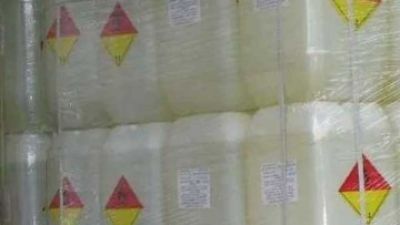
When you're looking to source chemicals like Di-Tert-Amyl Peroxide 98%, picking the right supplier really matters. This peroxide is used in a bunch of industries, like rubber and plastics, so it’s super important to focus on quality and dependability. Honestly, doing some solid research on potential suppliers is key — it’s pretty much the first step you want to take.
You should look for manufacturers who have proper certifications and a good reputation. Check out how much experience they’ve got with Di-Tert-Amyl Peroxide 98%. Reading reviews from other customers can give you a pretty good sense of whether they’re reliable or not. And don’t hesitate to chat with industry folks — getting their insights can really help. Plus, understanding how they source their chemicals can tell you if they’re likely to keep your supply chain running smoothly.
Of course, safety and legal compliance are a must-have. Make sure your supplier follows all the regulations around chemical handling. When it comes to cost, be cautious — cheaper isn’t always better. Sometimes lower prices can mean cut corners somewhere along the line. So, it’s worth weighing the price against quality. Building a good relationship with your supplier can also pay off in the long run, making sure you get better terms and a more reliable supply.
Understanding Di-Tert-Amyl Peroxide and Its Applications
Di-Tert-Amyl Peroxide (DTAP) is an organic peroxide widely used as a Polymerization Initiator. Its role in the production of plastics and rubber makes it critical for many industries. According to industry reports, the demand for DTAP is expected to grow steadily, with a projected CAGR of 4.5% between 2023 and 2028. This growth is driven by increasing applications in various sectors, including automotive and consumer products.
Understanding the characteristics of Di-Tert-Amyl Peroxide is essential for safe handling. DTAP is a colorless to pale yellow liquid that can decompose under heat, releasing oxygen. This property is crucial for its use as a radical initiator in polymerization processes. Hosting seminars and safety training can result in better employee awareness of the proper handling procedures.
However, sourcing high-quality DTAP poses challenges. Many suppliers do not meet stringent quality standards. According to a 2022 report, about 30% of products in the market are subpar, which can impact production quality. Businesses must also weigh cost against quality when sourcing. A focus on reliable suppliers with comprehensive testing certifications is vital for acquiring suitable DTAP.
Identifying Reliable Suppliers for Di-Tert-Amyl Peroxide
When sourcing Di-Tert-Amyl Peroxide 98% for your business, identifying reliable suppliers is crucial. The global market for specialty chemicals, including peroxide compounds, is projected to grow significantly. Estimates suggest a compound annual growth rate (CAGR) of 5% from 2022 to 2027. This growth highlights the increasing demand for high-quality chemical products.
Reliable suppliers should have extensive experience in the industry. Look for companies with a solid track record and positive reviews from current clients. Transparency in their sourcing practices is essential. They should provide detailed documentation, such as safety data sheets, quality certifications, and testing results. According to a recent industry report, over 70% of businesses prioritize supplier transparency in their selection process, emphasizing the need for trust.
It's important to be cautious. Not all suppliers meet industry standards. Price alone should not dictate your choice. Sometimes lower prices indicate inferior quality. Cultivating a relationship with potential suppliers can yield better insights into their practices. Regular audits and checks are advisable to ensure they consistently meet your quality expectations. Evaluate their customer service, as good support can make a significant difference in your supply chain.
When sourcing Di-Tert-Amyl Peroxide 98% for your business, identifying reliable suppliers is crucial...
Reliable suppliers should have extensive experience in the industry...
It's important to be cautious. Not all suppliers meet industry standards...
Evaluating Quality Standards for 98% Di-Tert-Amyl Peroxide
When sourcing Di-Tert-Amyl Peroxide (DTAP) at 98% purity for industrial applications, evaluating quality standards is essential. According to the American Chemical Society, 98% purity is critical in ensuring efficiency in polymerization processes. Impurities can lead to ineffective reactions or unwanted side products. It is necessary to check data sheets for specifications, including stability, handling conditions, and shelf life.
The purity analysis should align with established standards set by organizations like ASTM International. The organization emphasizes rigorous testing methods such as Gas Chromatography (GC) for purity assessment. Additionally, prospective suppliers should provide Certificate of Analysis (COA) to track product integrity. Given that product performance can significantly impact manufacturing outcomes, understanding a supplier's quality assurance process becomes crucial.
However, sourcing high-purity DTAP can present challenges. Not all suppliers meet the same quality benchmarks. Sometimes, discrepancies in purity levels occur, impacting production. Thus, businesses may need to conduct independent testing to verify supplier claims. A transparent quality assurance framework from suppliers can aid in building trust. Ultimately, understanding quality standards helps in mitigating risks associated with sourcing chemicals.
Navigating Regulatory Compliance and Safety Guidelines
Navigating regulatory compliance is crucial when sourcing Di-Tert-Amyl Peroxide 98% for business use. Businesses must familiarize themselves with local regulations pertaining to chemical handling and distribution. This compound is often utilized in various manufacturing processes, making it essential to ensure guidelines are followed meticulously. Awareness of Material Safety Data Sheets (MSDS) is vital. These documents provide necessary information on hazards, safe handling, and emergency procedures.
Safety guidelines should not be overlooked. Training employees in the proper handling of Di-Tert-Amyl Peroxide 98% minimizes risks. Personal protective equipment (PPE) should always be worn in any environment where this chemical is present. Companies must also invest time in understanding the chemical’s properties. Ensuring containers are well-labelled and securely stored is fundamental in preventing accidents. It's easy to underestimate the importance of a safety-first approach, but neglecting it can lead to serious repercussions.
Furthermore, it is wise to develop a compliance checklist. This ensures all requirements are met, reducing potential legal issues. Regular audits of safety practices can help identify gaps. Open discussions about safety procedures create a culture of awareness. Reflecting on past incidents within the industry can provide valuable lessons for improving safety protocols around Tert-Amyl Peroxy-2-Ethylhexanoate.
2026 How to Source Di-Tert-Amyl Peroxide 98% for Your Business? - Navigating Regulatory Compliance and Safety Guidelines
| Aspect | Details |
| Chemical Name | Di-Tert-Amyl Peroxide |
| Purity | 98% |
| CAS Number | 78-63-7 |
| Regulatory Compliance | REACH, OSHA, EPA |
| Safety Guidelines | Use appropriate PPE; store in a cool, dry place |
| Application Fields | Polymerization Initiator, Crosslinking Agent |
| Supplier Certification | ISO 9001:2015, ISO 14001 |
| Storage Conditions | Keep container tightly closed; avoid heat sources |
| Transportation | Regulated as hazardous material; follow all local regulations |
| Labeling Requirements | Correct hazard symbols and safety data sheets |
Establishing Partnerships for Bulk Purchases of Di-Tert-Amyl Peroxide
When sourcing Di-Tert-Amyl Peroxide for your business, establishing solid partnerships is crucial. Finding reliable suppliers is not just about the product quality; it is about trust and communication. Many businesses overlook the importance of building relationships. Without these connections, securing bulk purchases can become daunting. Focus on finding manufacturers with a reputable track record in chemical supplies.
Consider reaching out to industry associations or forums for recommendations. Engaging with peers can provide valuable insights into potential suppliers. It is beneficial to assess the suppliers' production capabilities and certifications. This step ensures they meet safety standards, which is often overlooked in a hurry to make deals.
Regular communication with your suppliers is vital. Schedule meetings to discuss supply chain needs and any concerns. A good partnership lasts through challenges, not just during smooth transactions. Mistakes and misunderstandings can happen, but how you handle them reflects the strength of your relationship. Always revisit and reassess your agreements, ensuring they continue to serve both parties effectively.
2026 Di-Tert-Amyl Peroxide Sourcing Analysis
This chart provides an overview of the pricing structure for Di-Tert-Amyl Peroxide sourced from various suppliers, aiding in making informed purchasing decisions for your business.
Cost Analysis: Budgeting for Sourcing Di-Tert-Amyl Peroxide
When sourcing Di-Tert-Amyl Peroxide 98%, cost analysis plays a vital role. Understanding the various expenses involved is crucial for budgeting effectively. Prices can vary significantly based on suppliers, quantity purchased, and transport costs. It's essential to assess the total cost of ownership, not just the purchase price. Additional expenses such as storage, handling, and potential wastage must also be factored in.
Considering the market fluctuations, seeking multiple quotes can provide valuable insights. This approach allows businesses to compare not only prices but also delivery timelines and supplier reliability. While an attractive price is appealing, it is important to evaluate quality as well. A lower price might lead to compromised quality, resulting in greater costs down the line. Balancing cost and quality can be a challenging task that requires careful reflection.
Some businesses may overlook the impact of regulatory fees or taxes on their budget. Unexpected costs can arise from compliance measures, which are essential to avoid future penalties. Taking time to review all possible expenses ensures a well-rounded budgeting strategy. Adapting to these realities is something every business must embrace for long-term success.
Logistics and Shipping Considerations for Peroxide Procurement
When sourcing Di-Tert-Amyl Peroxide 98%, logistics and shipping considerations become crucial. The handling of such chemicals requires special attention due to safety regulations. Transportation must comply with international standards, particularly the UN's recommendations for the transport of dangerous goods. According to a recent industry report, mishandling can lead to severe safety incidents, emphasizing the need for trained personnel.
Shipping time is another important factor. Delays can affect your business operations and result in financial loss. A 2022 study indicated that 30% of shipments involving hazardous materials experienced delays due to improper documentation. It's vital to work with logistics providers experienced in transporting chemicals like Tert-Amyl Peroxypivalate. They can navigate the complexities of regulations, ensuring timely and safe delivery.
Cost is also a significant consideration. Quality sourcing often incurs higher upfront costs. However, compromising on safety standards can lead to long-term consequences, including fines and damage to reputation. Ensure that you assess the full scope of logistics expenses in your procurement strategy. Transparency in shipping costs can lead to better budgeting and resource allocation.
Exploring the Efficacy and Market Potential of Tert-Butyl Peroxy-3,5,5-Trimethylhexanoate 98%: Insights from Recent Chemical Industry Reports
The recent industry reports highlight the significance of Tert-Butyl Peroxy-3,5,5-Trimethylhexanoate 98% (TBPIN) as a powerful initiator in various polymerization processes. TBPIN is particularly effective in ethylene polymerization under high-pressure conditions, which can take place in both autoclave and tubular setups. Its versatility is evident as it operates efficiently across a broad temperature spectrum. By combining TBPIN with other peroxides, manufacturers are able to tailor the polymerization conditions to achieve the desired thermal profiles, enhancing the overall reaction efficiency.
In addition to its application in ethylene polymerization, TBPIN serves as an initiator for the solution (co)polymerization of acrylates and methacrylates, operating within a temperature range of 90-175°C. This characteristic is especially valuable in coatings production, where temperature control is paramount. Furthermore, TBPIN can be effectively utilized in bulk and suspension (co)polymerization of the same monomers, with a slightly narrower operational range of 90-130°C, as well as facilitating the (co)polymerization of styrene at temperatures between 90-140°C. These attributes suggest that TBPIN holds significant market potential, aligning with the growing demand in the chemical industry for efficient and adaptable polymerization initiators.
FAQS
: Regulatory compliance ensures safe handling and distribution, minimizing risks in manufacturing processes.
MSDS provide essential information on hazards, safe handling, and emergency procedures for chemicals.
Training employees in proper handling and using personal protective equipment (PPE) minimizes risks effectively.
A compliance checklist should outline safety requirements and ensure all legal standards are met consistently.
Proper logistics ensure compliance with safety regulations, preventing delays and severe safety incidents during transport.
Improper documentation can lead to delays, affecting business operations and possibly resulting in financial losses.
Assessing logistics expenses upfront leads to better budgeting, helping avoid financial setbacks related to safety issues.
Regular audits identify gaps in safety protocols, enhancing overall compliance and reducing legal risks.
Underestimating safety can lead to serious repercussions, including accidents and legal consequences.
Analyzing past incidents provides valuable lessons for enhancing safety protocols and establishing a culture of awareness.
Conclusion
The article titled "2026 How to Source Di-Tert-Amyl Peroxide 98% for Your Business?" provides a comprehensive guide for businesses looking to procure this essential chemical. It begins with an overview of Di-Tert-Amyl Peroxide 98%, highlighting its various applications in industries such as polymer production and as a catalyst in chemical reactions.
The article emphasizes the importance of identifying reliable suppliers and evaluating quality standards to ensure the product meets the required specifications. Additionally, it delves into the necessary regulatory compliance and safety guidelines that must be adhered to when handling this substance. Businesses are also advised on establishing partnerships for bulk purchases, conducting a cost analysis for effective budgeting, and considering logistics and shipping factors to streamline the procurement process of Di-Tert-Amyl Peroxide 98%. Overall, this guide serves as a valuable resource for companies aiming to source this chemical efficiently and safely.