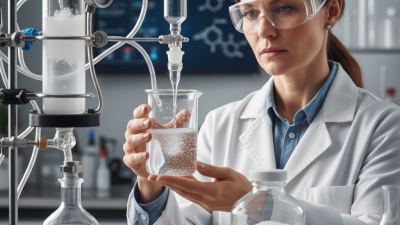
Hey, have you heard of Dibenzoyl Peroxide? If not, it's this pretty powerful organic compound that's pretty common across a bunch of industries. You'll find it popping up in cosmetics and pharmaceuticals a lot. Basically, it's a key ingredient in many products, thanks to its strong properties. It does a great job in treating acne—killing bacteria and helping get rid of dead skin cells—and it’s also used to kickstart polymerization processes. Knowing where it comes from and what it can do is super important, whether you’re a manufacturer or just someone curious about skincare stuff.
In the beauty world, Dibenzoyl Peroxide is pretty much a superstar for dealing with breakouts. People love it because it fights bacteria and clears away the dull, dead skin build-up. But, quick heads up—handling this stuff isn’t exactly a walk in the park. You gotta be careful and know what you're doing to get the best results without causing irritation. Sourcing it responsibly is also a big deal—making sure you buy from places you can trust helps avoid issues like inconsistent quality or potency.
And honestly, finding good, reputable suppliers can be a bit tricky. Not all sources are created equal, so doing some proper research is worth it. Picking the right supplier means your products will work better and keep your customers happy. So, getting a solid grip on what Dibenzoyl Peroxide is, and how to use it right, can really make a difference—whether you’re developing new products or just trying to understand how they work.
Dibenzoyl Peroxide: An Overview of Its Chemical Properties
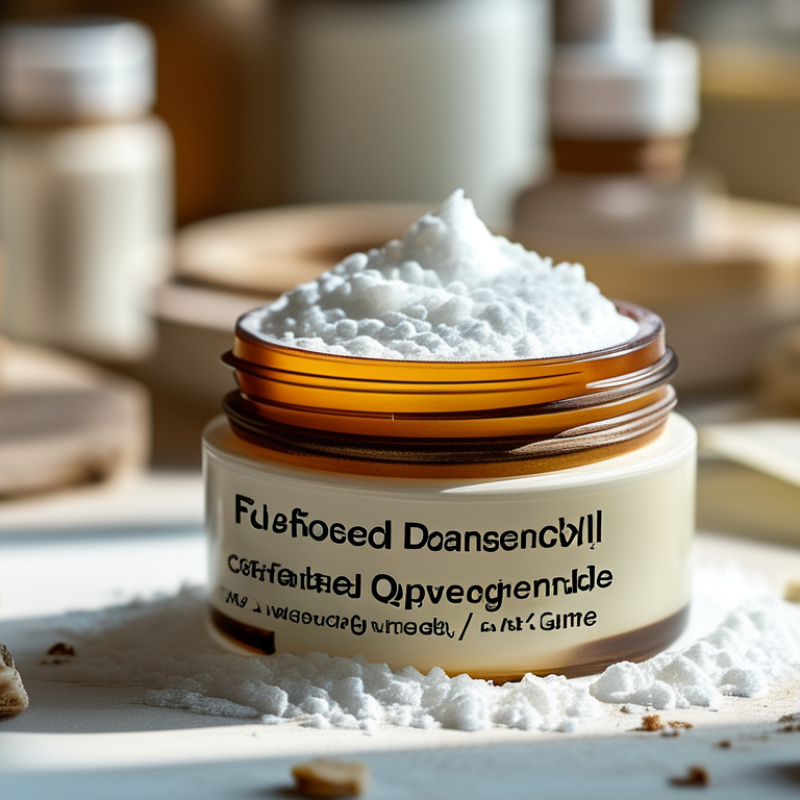
Dibenzoyl peroxide is a crucial compound in various industrial applications. Its chemical formula is C14H10O4, consisting of two benzoyl groups connected by a peroxide linkage. This structure makes it an effective Free Radical Initiator, widely used in polymerization processes. In addition, its thermal stability allows it to decompose into benzoic acid and oxygen when heated, making it suitable for various synthesis reactions.
In the realm of personal care, dibenzoyl peroxide is frequently seen in acne treatments. When applied to the skin, it penetrates the pores to eliminate acne-causing bacteria. This leads to drying out existing pimples and preventing new breakouts. Although effective, users often report dryness or irritation, requiring careful management.
Moreover, sourcing dibenzoyl peroxide involves navigating complex regulatory frameworks to ensure safety and compliance in various regions. Suppliers must adhere to stringent quality standards. Additionally, the challenges of sourcing can reflect on product reliability. Buyers should evaluate supplier credibility and consider past performance records.
Common Applications of Dibenzoyl Peroxide in Industry
Dibenzoyl Peroxide (DBP) is widely used in various industries due to its powerful properties. In the polymer industry, its primary application is as a radical initiator during polymerization. Research indicates that over 50% of the global production of this compound is used for polymer synthesis, particularly in making plastics and rubber. The ability to facilitate efficient bonding in these materials makes DBP invaluable.
In the dental sector, DBP shows its effectiveness as a Polymerization Initiator in dental adhesives and restorative materials. Studies published by the European Dental Journal indicate that both practitioners and patients benefit from materials containing DBP due to their durability and esthetic quality. These materials can improve the lifespan of dental work and provide greater satisfaction.
Despite its many uses, there are challenges associated with viewing DBP as a universal solution. Safety concerns regarding its handling and storage must be addressed carefully. Not all industries may fully grasp the potential risks involved with Dibenzoyl Peroxide Powder. Ongoing research aims to better understand these implications while balancing the beneficial properties of DBP. This is a crucial area for further exploration and consideration in future applications.
Skin Care Benefits of Dibenzoyl Peroxide for Acne Treatment
Dibenzoyl peroxide (DBP) is a well-known compound used primarily for treating acne. It functions as a powerful oxidizing agent that helps to eliminate acne-causing bacteria and reduce inflammation. According to a research report by the Journal of Cutaneous Medicine and Surgery, DBP demonstrates a significant efficacy rate of over 60% in clearing moderate to severe acne lesions. This compound works by penetrating the skin and causing a mild peeling effect, which helps unclog pores and reduce excess oil.
The application of Dibenzoyl Peroxide Paste Hardener in daily skin care can yield noticeable results. However, careful use is essential, as some individuals may experience dryness or irritation. For first-time users, consider starting with a lower concentration and gradually increasing it to avoid adverse reactions. Hydration is crucial; pairing DBP with a gentle moisturizer can mitigate dryness.
Dibenzoyl peroxide also has benefits beyond treating acne. It can improve skin texture and tone, making it a versatile addition to any skin care routine. The acne treatment market continues to evolve, with a projected growth rate of 7.5% annually, highlighting the relevance of effective ingredients like DBP. Integrating such an ingredient into your regimen can lead to clearer and healthier skin, but ongoing assessment of your skin's response is vital for optimal results.
Dibenzoyl Peroxide for Acne Treatment: Efficacy in Different Concentrations
Dibenzoyl Peroxide in the Polymer Industry: Role and Benefits
Dibenzoyl peroxide (DBP) plays a vital role in the polymer industry, particularly in the production of polymers and resins. As a key initiator in free radical polymerization, DBP effectively triggers the polymerization process at elevated temperatures. This accelerates the curing of thermosetting resins, which are widely used in coatings and adhesives. According to a recent industry report, the demand for DBP in polymer applications has been increasing steadily, with a projected growth rate of 5% annually through 2030.
In addition to its role in polymerization, DBP enhances the mechanical properties of materials. It improves toughness, flexibility, and thermal stability, which are essential for automotive and construction industries. The resin systems that include dibenzoyl peroxide show superior performance in harsh environments. However, users must continuously monitor the formulations. Overuse of DBP can lead to brittleness, impacting the longevity of the products.
Tips: Always conduct small-scale tests when incorporating DBP into your formulation. This helps identify potential issues before full-scale production. Consider regional sourcing options to ensure high-quality materials. Additionally, staying updated on local regulations surrounding DBP usage can mitigate compliance risks. With careful management, dibenzoyl peroxide can significantly enhance polymer performance while maintaining product integrity.
Safety Guidelines for Handling Dibenzoyl Peroxide
When handling dibenzoyl peroxide, safety is paramount. This compound, often used as a hardener in various applications, requires strict adherence to recommended safety guidelines. Protective gear is essential. Always wear gloves, goggles, and a mask. These items minimize exposure to dust and vapors. Ensure proper ventilation in the workspace. Poor airflow can lead to a hazardous buildup of fumes.
Store dibenzoyl peroxide in a cool, dry place away from direct sunlight. The chemical can become unstable if exposed to heat or moisture. Disposal must be conducted according to local regulations, as improper disposal poses environmental risks. It's crucial to familiarize yourself with emergency procedures. Accidental skin contact or inhalation could lead to irritation. Having a first-aid kit on hand can make a difference.
Always read the material safety data sheet for specific handling instructions. Training is vital, especially for those new to using Dibenzoyl Peroxide Hardener. Familiarize yourself with the chemical’s properties and risks. Reflect on past incidents or near misses to improve safety practices continually. A culture of safety encourages vigilance and responsibility in any environment where dibenzoyl peroxide is present.
Sourcing Dibenzoyl Peroxide: Quality and Supplier Considerations
Sourcing Dibenzoyl Peroxide requires careful consideration of quality and supplier reliability. The global market for this compound is expected to reach approximately $1.1 billion by 2027, according to industry analyses. As a key ingredient in many polymer formulations, its purity directly impacts product effectiveness. Therefore, sourcing from reputable suppliers is crucial for maintaining high standards.
When evaluating suppliers, it's important to assess their manufacturing practices. Many suppliers emphasize compliance with ISO standards, which can be a good indicator of quality. Regular audits and certifications should be demanded to ensure consistency. Reports indicate that over 70% of manufacturers in the chemical sector prioritize sourcing from suppliers who adhere to stringent quality controls. This reflects an industry's understanding of the importance of reliability.
Additionally, consider the sustainability practices of potential suppliers. Eco-friendly sourcing is becoming a priority for many companies. Environmental sustainability not only fosters a positive public image but also meets growing regulatory demands. A lack of sustainable practices can lead to reputational damage and potential legal repercussions. Stakeholders are increasingly wary of suppliers with poor environmental records. Thus, it is essential to perform thorough research. Finding a reliable supplier today requires more than a simple search; it needs a strategic approach.
Environmental Impact and Disposal of Dibenzoyl Peroxide
Dibenzoyl peroxide is commonly used in various industries, particularly in plastics and cosmetics. Its role as a polymerization initiator is well-known, but so is its environmental impact. When improperly disposed of, dibenzoyl peroxide can contribute to pollution. It often breaks down into harmful compounds, which can affect soil and water quality. It is essential for users to understand how to manage this chemical properly.
Disposal should follow local environmental regulations. Incineration is often the preferred method, as it can break down the compound safely. However, illegal dumping still occurs, leading to major ecological issues. Awareness is lacking, and this is an area needing improvement. Users must educate themselves on proper disposal techniques. Ultimately, more guidelines are needed to ensure safe practices.
Recycling options for products containing dibenzoyl peroxide may also be explored. As awareness increases, manufacturers are encouraged to seek greener alternatives. This shift could reduce reliance on harmful chemicals. Collaboration between industries and environmental organizations is crucial in developing sustainable practices. It's a complex situation, reflecting a broader need for responsibility in chemical use.
Dibenzoyl Peroxide Uses, Benefits and Sourcing Guide
| Aspect | Details |
| Chemical Formula | C14H10O4 |
| Common Uses | Polymerization initiator, bleaching agent, and acne treatment. |
| Benefits | Effective in polymer production, acne reduction, and as a curing agent. |
| Health and Safety | Irritant to skin and eyes; appropriate precautions should be taken. |
| Environmental Impact | Potential hazards to aquatic life; needs careful management. |
| Disposal Guidelines | Follow local regulations; do not dispose of in water systems. |
| Sourcing | Available from chemical suppliers and online marketplaces. |
| Storage Conditions | Store in a cool, dry place away from sunlight and oxidizing agents. |
FAQS
: Dibenzoyl peroxide is primarily used for treating acne. It kills bacteria and reduces inflammation.
Studies show it clears over 60% of moderate to severe acne lesions. Results can vary by individual.
Yes, some users may experience dryness or irritation. Starting with a lower concentration is advised.
Using a gentle moisturizer alongside the treatment can help mitigate dryness and irritation.
Yes, it can improve skin texture and tone, enhancing overall skin appearance.
Proper disposal is crucial. Follow local regulations to avoid environmental pollution.
It can break down into harmful compounds, affecting soil and water quality.
Recycling options exist, though awareness and guidelines are still developing.
The market is expected to grow at 7.5% annually, highlighting the demand for effective treatments.
Ongoing assessment of your skin's response is vital for determining the best usage practices.
Conclusion
Dibenzoyl Peroxide is a versatile chemical compound recognized for its strong properties and diverse applications across various industries. It serves primarily as a catalyst in the polymer industry, facilitating the production of plastics and resins. In skin care, Dibenzoyl Peroxide is renowned for its efficacy in treating acne, helping to reduce breakouts and improve skin clarity.
When handling Dibenzoyl Peroxide, safety guidelines are crucial due to its reactive nature; proper storage and usage practices must be observed to prevent hazards. Additionally, considerations for sourcing quality Dibenzoyl Peroxide from reputable suppliers are essential to ensure effectiveness and safety. Environmental impacts and disposal methods of Dibenzoyl Peroxide are also important topics, emphasizing the need for responsible usage and waste management to mitigate ecological effects.