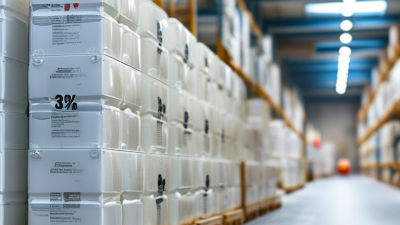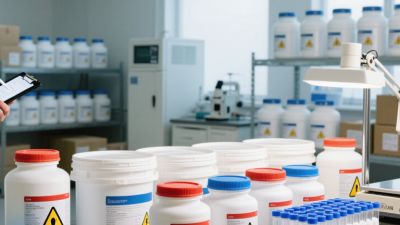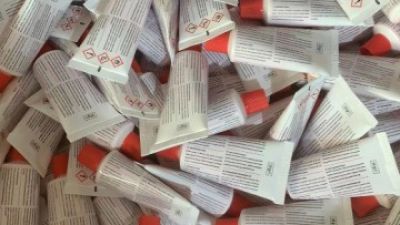
Buying Dibenzoyl Peroxide 22% in bulk isn’t just about comparing prices. There's a lot more involved—things like careful verification, practical planning, and making sure it’s handled safely and responsibly. Before you ask for a quote, it’s smart to double-check the product’s grade, concentration, packaging style, and how you plan to use it industrially. A trustworthy supplier should be able to provide up-to-date Safety Data Sheets, Certificates of Analysis, batch info, and clear storage instructions. These docs are super helpful for your team to assess quality before approving a big order.
Also, take some time to look into the supplier’s experience and traceability records. Find out how they pack, label, and safeguard the product during transport. Dibenzoyl Peroxide needs to be handled safely, according to all safety and transportation rules. Pay attention to storage conditions—keeping the right temperature, keeping it away from incompatible materials, and controlling access all help cut down on avoidable risks. A good, professional supplier should be open about these details without giving vague promises.
Remember, price isn’t everything when it comes to quality. Just because something’s cheaper doesn’t mean it’s better.
When ordering in bulk, keep in mind there are usually minimum quantities, production schedules, and lead times to consider. Make sure your supplier can deliver consistent Dibenzoyl Peroxide 22% across different batches. It’s always a good idea to ask for samples upfront for an initial check, but don’t rely on them alone—they shouldn’t replace official documentation or your internal quality checks. Also, don’t forget about payment terms, shipping insurance, and how the shipment will be inspected upon arrival.
The perfect buying plan? Well, it’s pretty rare. Things change, packaging can turn out different than expected, and forecasts can be off. That's why responsible buyers always leave a little wiggle room before locking in big orders. Comparing two or three solid suppliers can help you spot differences in technical support, documentation, and after-sales service. This guide covers the key questions you should ask to source Dibenzoyl Peroxide 22% safely, efficiently, and with a bit of professional judgment along the way.

Dibenzoyl Peroxide 22% is an organic peroxide used mainly as a free-radical initiator. It helps cure certain unsaturated polyester resins and acrylic systems. It is not simply “active powder.” The 22% figure may describe active material within a phlegmatized or stabilized mixture. That carrier affects storage, dosing, and performance. Buyers should confirm the exact form before ordering Dibenzoyl Peroxide Powder in bulk.
When purchasing, request the current SDS, certificate of analysis, assay range, moisture data, packaging details, and recommended storage temperature. Ask whether the material is powder, paste, or a wetted grade. Dry solids can create greater handling concerns than stabilized products. Store containers in a cool, shaded area, away from heat, contamination, reducing agents, and incompatible materials. Use clean, dedicated tools and follow written supplier instructions. Do not improvise a formulation. Small errors can matter.
Tips: Compare active concentration, not only bag weight. Check lot consistency and shelf life. Prepare ventilation, protective gloves, eye protection, and trained handling. Follow applicable safety requirements. A trial batch may reveal unexpected curing speed. That result is useful, but it also shows why bulk orders should follow technical evaluation, not price alone.
When buying Dibenzoyl Peroxide 22% in bulk, grade identification should begin with the active peroxide level. “22%” may describe nominal content, not the tested assay. Request a current certificate of analysis showing assay range, carrier composition, moisture, viscosity, and batch date. A small number matters.
The European Chemicals Agency substance dossier lists dibenzoyl peroxide under CAS 94-36-0, with a molecular weight of 242.23 g/mol. It also identifies important sensitisation and aquatic hazards. Therefore, the supplier should provide a safety data sheet aligned with the destination market’s GHS or CLP requirements. Do not rely on a sales sheet alone.
For a product marketed as Dibenzoyl Peroxide Paste Hardener, confirm whether the paste uses plasticiser, water, or another carrier. These differences can change mixing behavior, storage stability, and curing response.
Check the technical specification for appearance, color, dispersion, viscosity, active oxygen, and decomposition guidance. The International Chemical Safety Card database and ECHA guidance both emphasize controlled storage and contamination prevention for organic peroxides. Ask for transport classification and recommended temperature limits in writing.
A sealed pail with a clean label is not enough. I would also compare three retained samples, because paste consistency can shift between batches. This step feels slow, but skipping it creates expensive surprises during production.lemma
How to Buy Dibenzoyl Peroxide 22% in Bulk
Supplier evaluation should begin with the exact product identity, not the lowest quotation. Ask whether “22%” means active dibenzoyl peroxide or total formulation content. Request a current specification sheet, safety data sheet, certificate of analysis, and batch traceability records. The certificate should show assay, appearance, moisture, decomposition behavior, packaging date, and recommended storage temperature. A vague certificate is a warning sign.
Quality systems matter, but certification alone proves little. The ISO Survey 2022 recorded more than 1.2 million ISO 9001 certificates worldwide, yet ISO 9001 does not confirm chemical purity. Audit the supplier’s testing process instead. Ask which laboratory methods are used and whether results come from each batch. For a Dibenzoyl Peroxide Hardener, inspect sealed, compatible packaging and visible temperature indicators during transport. Check the lot number against production records.
Use independent verification before placing a large order. A qualified laboratory can test assay, impurities, moisture, and thermal stability. Compare its findings with the supplier’s certificate. Small differences deserve investigation. Large differences stop the purchase. The UNEP Global Chemicals Outlook II projects global chemical production could double by 2030, increasing pressure on supply chains and quality controls. That growth does not guarantee consistency. I would also request two separate production samples, because one sample can create false confidence. Suppliers should explain storage limits, shelf life, emergency handling, and applicable transport documentation in clear language. If answers change between sales and technical staff, reconsider the purchase.
Bulk pricing should be compared by delivered cost, not only by price per kilogram. Request quotes for the same quantity, grade, currency, and delivery terms. A lower unit price may hide higher freight, insurance, or handling charges. Ask whether the quote includes testing documents and compliant transport arrangements. Compare at least three offers when possible. Small details matter.
Packaging can affect both safety and total cost. Ask whether the material comes in sealed, approved containers suitable for its formulation. Confirm the net weight, pallet pattern, storage temperature, and shelf life. A 25-kilogram container may reduce handling, but it can increase storage pressure for smaller facilities. Check the current safety data sheet before accepting the packaging plan. Do not rely on an old quotation.
Minimum order quantities deserve careful review. A supplier may offer an attractive price at 500 kilograms, while your production schedule needs only 100 kilograms. Calculate the cost of storage, inspection, and possible expiration. Request a smaller trial order when quality records are incomplete. Require a certificate of analysis showing assay, batch number, production date, and expiry date. Verify that documents match the shipment. A common purchasing mistake is trusting paperwork without checking container labels. That step is easy to miss. Procurement decisions should also consider supplier response time, replacement terms, and traceable batch records.
Buying Dibenzoyl Peroxide 22% in bulk requires checking more than price and availability. Ask the supplier for a current Safety Data Sheet, certificate of analysis, product specification, and batch identification. Confirm that the documents describe the exact 22% formulation, including any carrier or stabilizer. Small differences matter. The product’s transport classification can depend on its composition, packaging, and destination, so do not rely on a generic listing.
Tips: Match the product name and concentration across every document. Check that the lot number on the container matches the paperwork. Keep copies. It sounds obvious, but mismatched records can delay receiving and storage.
Before placing an order, confirm applicable chemical inventory, workplace, and import requirements with the relevant local authorities or a qualified compliance professional. Ask the carrier to confirm it accepts the specific material and packaging for the route. Review required labels, shipping papers, temperature controls, and delivery restrictions with the supplier. Requirements can differ between jurisdictions, and they may change. If an answer is unclear, request written confirmation before payment or dispatch. I would not treat a supplier’s older SDS as sufficient evidence.
| Check Area | What to Verify | Documents or Information to Request | Practical Buying and Shipping Check |
|---|---|---|---|
| Product identity | Confirm that the product is dibenzoyl peroxide (benzoyl peroxide), CAS No. 94-36-0, at the specified 22% concentration. Establish whether it is a paste, dispersion, wetted solid, or another formulation. | Product specification, current Safety Data Sheet (SDS), and Certificate of Analysis (CoA). | Check that the concentration basis, formulation, appearance, test methods, and batch identification are stated consistently across the documents. |
| Regulatory status by destination | Requirements depend on the importing country, intended use, product formulation, and applicable chemical-control rules. For example, check relevant chemical inventory and workplace-hazard rules in the destination market. | Written confirmation of applicable registration, notification, inventory, or import requirements; importer-of-record details where relevant. | Ask the importer or a qualified regulatory specialist to confirm requirements before placing a bulk order. Do not assume one country’s approval applies elsewhere. |
| Hazard communication | Review the classification, label elements, handling precautions, and emergency information for the actual 22% formulation under the destination’s hazard-communication system. | Current SDS and compliant product label in the required language(s). An SDS generally follows a 16-section format under widely used systems. | Compare the SDS and label with the shipped formulation and destination rules. Request revisions if concentration, physical form, or hazard details do not match. |
| Transport classification | Transport classification can depend on composition, physical state, packaging, applicable transport rules, and any permitted temperature-control requirements. | Transport section of the current SDS; shipper’s classification determination; applicable dangerous-goods declaration and supporting information. | Do not select a UN number or transport description from the chemical name alone. Have the shipper or dangerous-goods specialist classify the exact formulation under the current modal rules. |
| Packaging and quantity limits | Confirm that the package type, inner and outer packaging, quantity per package, and any special packaging provisions are permitted for the assigned transport classification. | Packaging specification, package approval information when required, and the planned package sizes and total shipment quantity. | Check requirements separately for road, sea, air, or rail transport. Carrier acceptance and quantity limits may differ by mode and route. |
| Temperature and handling controls | Determine the product’s storage and transport temperature limits from the formulation-specific SDS and supplier instructions. | SDS storage and transport guidance; written temperature limits and monitoring instructions when applicable. | Confirm that the proposed route, transit time, loading conditions, and equipment can maintain any required temperature controls. Avoid relying on generic temperature values. |
| Segregation and safe handling | Review incompatibilities and precautions for organic peroxides. Prevent uncontrolled exposure to heat and incompatible materials as directed by the product SDS. | SDS handling, storage, stability, reactivity, and incompatibility sections; site handling instructions. | Check warehouse procedures, segregation arrangements, ventilation, spill response, and emergency access before receiving bulk quantities. |
| Batch quality and shelf life | Confirm the batch meets the agreed specification and remains within its stated shelf life under the required storage conditions. | Batch-specific CoA, manufacture or retest date, expiry or recommended-use date, and storage conditions. | Agree on minimum remaining shelf life at delivery and a process for reporting out-of-specification results or damaged packages. |
| Customs and commercial paperwork | Confirm the correct product description, origin, quantity, value, tariff classification, and destination-specific import requirements. | Commercial invoice, packing list, certificate of origin if required, and any applicable permits or declarations. | Have the importer or customs broker verify tariff classification and document requirements for the actual formulation and destination before dispatch. |
| Pre-shipment approval | Ensure that the product, packaging, route, carrier, and receiving site are all acceptable before the order is released. | Final SDS and label, transport classification, shipping documents, packing details, and receiving-site confirmation. | Obtain written confirmation from the responsible shipper and carrier that the planned consignment can be accepted under current rules. |
| Important: This checklist is for planning only and does not assign a definitive transport classification or replace legal, dangerous-goods, or site-specific advice. Verify the current rules and the exact formulation before purchase and shipment. | |||
Dibenzoyl peroxide at 22% should be stored according to its exact product label and safety data sheet. The carrier and formulation matter. Keep containers in their original, clearly labeled packaging, closed as directed, and secured in a cool, dry, well-ventilated area. Avoid direct sunlight, heat, sparks, and other ignition sources. Keep the material away from substances identified as incompatible in its safety documentation. Do not assume storage guidance for Di-Tert-Amyl Peroxide applies; different peroxides can have different hazards.
Handle containers only if you are trained and authorized to do so. Use the protective equipment specified by the safety data sheet, and avoid creating dust, spills, or contamination. Keep food and drink out of the work area. Never return unused material to its original container. Small details matter. A damp label or damaged lid can hide a serious problem. If packaging is swollen, leaking, unusually warm, or otherwise changed, do not open or move it; follow the site emergency plan and contact qualified safety personnel. Review spill and exposure procedures before receiving a bulk shipment, not after something goes wrong. Store records and inspection notes nearby, though people sometimes forget to update them.
The industrial benzoyl peroxide 50% paste market is shaped by demand from resin, polymer, and composite manufacturers seeking dependable initiators for production processes. Market outlooks commonly point to the importance of consistent product quality, efficient incorporation, and responsible handling as manufacturers refine formulations and expand industrial applications. Buyers are also paying closer attention to supply reliability and products suited to established processing requirements.
BPO 50% paste is a high-quality dispersion of dibenzoyl peroxide in a creamy, fire-resistant paste, offering effective mixing with resins and monomers. Compared with traditional technical or dry forms, the paste is designed to be less hazardous and more user-friendly, while still requiring appropriate handling and storage. It is slightly soluble in alcohols and petroleum solvents and insoluble in chlorinated solvents, making it a versatile option for varied formulation needs.
As a China-based supplier, our factory provides BPO 50% paste for industrial customers seeking consistent production support. Product specifications and handling guidance can be tailored to application requirements, helping manufacturers assess compatibility with their processes and select a dependable supply solution.
It may indicate nominal active content, not the tested assay. Request a current certificate of analysis. Check assay range, carrier composition, moisture, viscosity, and batch date. A small difference matters.
Request the specification sheet, safety data sheet, certificate of analysis, and batch traceability records. Documents should identify the batch, production date, expiry date, and storage limits. A vague certificate deserves caution.
Ask whether the peroxide is dispersed in plasticiser, water, or another carrier. The carrier can change mixing behavior, viscosity, storage stability, and curing response. The label alone is insufficient.
Review assay, appearance, color, dispersion, viscosity, moisture, active oxygen, and decomposition guidance. Ask whether every batch receives laboratory testing. Independent testing can check impurities and thermal stability.
Yes. Request at least two separate production samples. Compare their color, texture, viscosity, and laboratory results. One sample can create false confidence. I would still question unusual consistency.
Ask which laboratory methods support their results. Check whether test records match the lot number. Certification shows a system, not guaranteed chemical purity. Sales answers and technical answers should agree.
Compare delivered cost, not only the price per kilogram. Use identical quantities, grades, currencies, and delivery terms. Include freight, insurance, testing documents, and compliant transport arrangements. Cheap can become expensive.
Confirm sealed, compatible containers, net weight, pallet layout, storage temperature, and shelf life. A large container may lower handling costs but increase storage pressure. Request a smaller trial order when records remain incomplete. That may be wiser.
Buying Dibenzoyl Peroxide 22% in bulk starts with understanding its intended application and confirming that the concentration, grade, and product specifications match your process. Request current technical and safety documentation, and assess suppliers based on product consistency, quality-control procedures, and their ability to provide clear, verifiable information. Comparing quotations should include more than the unit price: review packaging options, minimum order quantities, lead times, and any costs associated with delivery and handling.
Before placing an order, check the documentation, transport conditions, and regulatory requirements that apply to your location and intended use. Plan for appropriate storage and handling by following the supplier’s safety guidance, keeping the material in suitable packaging, and ensuring trained personnel can access the relevant safety information. A careful review of specifications, supplier reliability, purchasing terms, and safe handling needs can help make a bulk purchase more predictable and responsible.