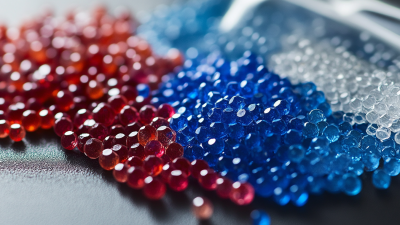
You know, Azo Initiatorhas really become a big deal across all kinds of industries these days. It’s pretty much a go-to when it comes to polymerization. If you’ve seen the recent market reports from MarketsandMarkets, they’re saying that the global polymer market might hit over a trillion dollars by 2025—that’s huge! And Azo Initiators play a key role in that growth, acting like catalysts that boost how efficiently we can produce polymers and even tweak their properties to get better results.
Major players like Evonik Industries and DSM are already using Azo Initiators to improve their manufacturing processes. They understand how important it is to choose the right initiators to get the polymer qualities they need. But, of course, there’s always this tricky balance — weighing the performance benefits against the costs. Some manufacturers keep asking, ‘Is it worth the investment?’
On top of that, we can’t ignore the environmental side of things. The chemical manufacturing involved isn’t exactly gentle on the planet; it can produce waste and other impacts. That’s why pushing for more sustainable methods is becoming more and more crucial. Companies need to rethink their approaches, finding ways to cut down their ecological footprints without sacrificing efficiency. So, in a way, Azo Initiators stand for progress and innovation—but they also remind us that change is needed if we want a better, greener industry.

Understanding Azo Initiators: A Comprehensive Overview
Azo initiators are crucial in polymer chemistry, acting as catalysts for various industrial processes. They decompose upon heating to produce free radicals, which initiate polymerization. A report from the "Market Research Future" indicates that the global market for azo initiators is expected to grow at a CAGR of approximately 4.2% from 2021 to 2026. This growth can be attributed to the rising demand for polymers in sectors like packaging, textiles, and automotive.
In the production of expanded polystyrene, the Initiator Of Expanded Polystyrene plays a vital role. It helps in creating a light, insulating material that is widely used in construction and packaging. According to a study by "Smithers Pira," the demand for expanded polystyrene is projected to reach 5.2 million tons by 2025, highlighting how essential azo initiators are in driving innovation and efficiency in production processes.
Despite their advantages, reliance on azo initiators also poses challenges. Manufacturers need to manage safety and environmental concerns associated with their use. Continuous research is essential to balance performance improvements and potential hazards. This reflects the industry's ongoing quest for safer and more efficient options in polymer production.
The Chemical Structure and Types of Azo Initiators
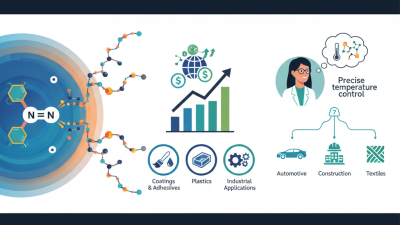
Azo initiators play a crucial role in the polymerization process across various industries. Their chemical structure features a nitrogen-nitrogen double bond, which is responsible for their ability to decompose and generate free radicals upon heating. This decomposition leads to chain reactions, forming polymers essential in materials like plastics and coatings. According to industry reports, the global demand for azo initiators is projected to grow significantly, driven by their effectiveness and versatility.
There are several types of azo initiators, each with unique properties suited for specific applications. For example, azo compounds such as azobisisobutyronitrile (AIBN) and azobisisobutyric acid play vital roles in thermosetting resins and elastomers. Recent data from the polymer manufacturing sector indicates that AIBN is favored for its moderate decomposition temperature, which allows for controlled polymerization in various environments. However, the stability and handling of these initiators require careful considerations due to their sensitivity to heat and light.
While the advantages of azo initiators are clear, challenges persist in their application. Handling these compounds safely is essential to avoid hazardous situations. Regulatory guidelines need to be strictly followed to ensure safety in production facilities. Incomplete understanding of their interactions during polymerization can lead to variability in product quality. As the industry evolves, ongoing research into the efficiency and safety of azo initiators remains critical.
What is Azo Initiator and How is it Used in Industry? - The Chemical Structure and Types of Azo Initiators
| Type of Azo Initiator | Chemical Structure | Typical Applications | Decomposition Temperature (°C) | Solubility |
| Azo Bis(2,4-Dimethylvaleronitrile) | C10H14N4 | Polymerization, Coatings | 70 - 80 | Soluble in Organic Solvents |
| Azo Initiator AZDN | C8H12N4O4 | Plastic Production, Dyes | 90 - 105 | Slightly Soluble in Water |
| Azo Bis(2-Methylpropionitrile) | C10H14N4 | Epoxy Resins, Composites | 80 - 90 | Soluble in Aromatic Solvents |
| 4,4'-Azobis(4-cyanopentanoic acid) | C10H14N4O4 | Latex Adhesives, Coatings | 60 - 70 | Soluble in Water |
Mechanism of Action: How Azo Initiators Work in Polymerization
Azo initiators play a crucial role in the field of polymerization. They are organic compounds that initiate the process. When heated, they decompose, releasing radicals that start the chain reaction. This reaction leads to the creation of polymers. These materials are widely used in various industries.
The mechanism of action is essential to understand. Azo initiators, when heated to their decomposition point, form free radicals. These radicals react with monomers, leading to polymer formation. The process continues, with radicals creating new ones, resulting in a growing polymer chain. This is vital in manufacturing plastics, rubbers, and coatings.
Choosing the right azo initiator can impact the final product. Consider factors such as the type of polymer, desired properties, and processing conditions. Testing different initiators can yield better results. Reflect on the process; sometimes, small adjustments lead to significant improvements. A systematic approach to experimentation is essential for success.
Industrial Applications of Azo Initiators in Various Sectors
Azo initiators play a crucial role in a variety of industrial applications. These compounds release free radicals upon thermal decomposition, leading to polymerization. They are widely used in the production of plastics, coatings, and adhesives. In the plastics industry, azo initiators help create durable materials used in consumer products. This is essential for ensuring that the final products maintain integrity and withstand environmental stressors.
In the coatings sector, azo initiators enhance the curing process. This results in superior performance in terms of adhesion and resistance to abrasion. These initiators are also used in the production of inks, where vibrant colors and quick drying times are essential. However, relying on azo initiators isn't without challenges. Temperature control during the reaction is critical; too high temperatures can lead to premature decomposition.
The usage of azo initiators has also sparked discussions about safety and environmental impact. While they are effective, their decomposition products need careful evaluation. Industries must balance efficiency with sustainability. The push for greener alternatives is ongoing as companies seek to reduce their carbon footprint while maintaining performance standards. Each application presents unique considerations and requires a continuous evaluation of best practices.
Advantages of Using Azo Initiators in Polymer Production
Azo initiators are essential in the polymer production process. These compounds decompose upon heating to produce free radicals. These radicals initiate the polymerization reaction, leading to the formation of polymers. Azo initiators offer several advantages, making them popular in various industrial applications.
The efficiency of azo initiators can significantly enhance reaction rates. They provide precise control over polymer molecular weight and structure. This control opens avenues for creating specialized materials tailored to specific applications. Therefore, their use can lead to significant efficiency improvements. Yet, proper handling and understanding of their decomposition rates is vital for optimal results.
When using azo initiators, consider the temperature and concentration. Maintaining the right conditions ensures a smooth reaction. A perfectly controlled environment can help minimize side reactions, which can complicate the process. After all, while they offer advantages, incorrect usage may lead to inconsistent product quality. Understanding the nuances of Polymerization Initiators is crucial for success in polymer chemistry.
Safety and Handling Considerations for Azo Initiators
Azo initiators are widely used in industrial processes, particularly in polymer production. However, safety and handling considerations are paramount. These compounds can decompose and release gases, which may pose inhalation risks. Proper ventilation is essential in workspaces where azo initiators are utilized to minimize exposure. Using personal protective equipment, such as gloves and goggles, can help ensure worker safety.
It's important to recognize the stability of azo initiators under certain conditions. They can be sensitive to heat and light, leading to unintended reactions. Storage in cool, dark environments is critical. Understanding the proper methods of disposal is also crucial. Improper disposal can lead to environmental hazards or regulatory issues.
Training employees on the risks associated with azo initiators is vital. Regular safety drills and refreshers can reinforce the importance of following safety protocols. Companies should prioritize creating a culture that promotes awareness regarding chemical safety. Constant evaluation of handling procedures might reveal areas for improvement, contributing to a safer working environment.
Future Trends in Azo Initiator Research and Development
The field of azo initiators is evolving rapidly. Researchers are exploring new applications for these compounds. Azo initiators, known for their ability to generate radicals, play a crucial role in polymerization processes. In recent years, studies have focused on enhancing their efficiency and reducing environmental impacts. The future looks bright as sustainable practices take center stage in chemical manufacturing.
New formulations of azo initiators, like Aibn Radical Initiator, show promise in improving reaction rates and reducing byproducts. This innovation aligns with industry trends toward greener processes. Companies are increasingly adopting these eco-friendly alternatives. These changes demonstrate a clear shift in priorities toward sustainability and efficiency.
However, the transition to new methods often comes with challenges. There is a learning curve associated with adopting new technologies. Industries must invest in training and development to fully harness these tools. Not all azo initiators are compatible with existing systems. Testing new types always carries risks, but the potential rewards are significant.
Staying updated on advancements in azo initiator research is essential. Engaging with scientific literature and participating in industry conferences can provide valuable insights. The future invites exploration, and being proactive is vital. Understanding these trends can lead to more informed decisions in chemical processes.
FAQS
: Azo initiators are organic compounds that start the polymerization process. They release radicals when heated.
They decompose upon heating, forming free radicals. These radicals react with monomers to create polymers.
They enhance reaction rates and allow precise control over the polymer's structure and properties.
Consider the polymer type, desired properties, and processing conditions for optimal results.
They can release harmful gases. Proper ventilation and personal protective equipment are essential for safety.
Store them in cool, dark environments to prevent unintended reactions from heat and light.
Incorrect usage can lead to inconsistent product quality and unintended side reactions during polymerization.
Regular training on risks and safety protocols is crucial to promote chemical safety awareness among workers.
Improper disposal can lead to environmental hazards and potential regulatory problems.
Small adjustments in handling or conditions can lead to significant improvements in product outcomes.
Conclusion
Azo initiators are crucial chemical compounds commonly used in polymerization processes across various industrial sectors. This article provides an extensive overview of their chemical structure, types, and the mechanisms by which they instigate polymer formation. Azo initiators operate through thermal decomposition, generating free radicals that initiate the chain reaction necessary for polymer synthesis. Their applications span industries such as plastics, coatings, and adhesives due to their efficiency and versatility.
Moreover, this summary highlights the advantages of using azo initiators, including their cost-effectiveness and ability to produce high-quality polymers. However, proper safety and handling measures are essential to mitigate any risks associated with their use. Looking ahead, ongoing research and development in the field of azo initiators suggest promising advancements that could enhance their functionality and broaden their applications in future industrial processes.